As the sun begins its descent into Lake Michigan and as firelight gradually illuminates the evening, Ella Lambert starts the chords to a familiar song, her guitar glowing amber. Her voice carries across the water, reaching the lone sailboat crossing through Little Sister Bay.
One by one, others huddled around the fire start to hum the gentle melody they all know by heart. It’s the nightly ritual at Little Sister Resort.
The song ends just as the sun slips under the horizon. The brief silence is broken by applause from the audience on the dock, echoing out from the cluster of cottages nestled among the trees.
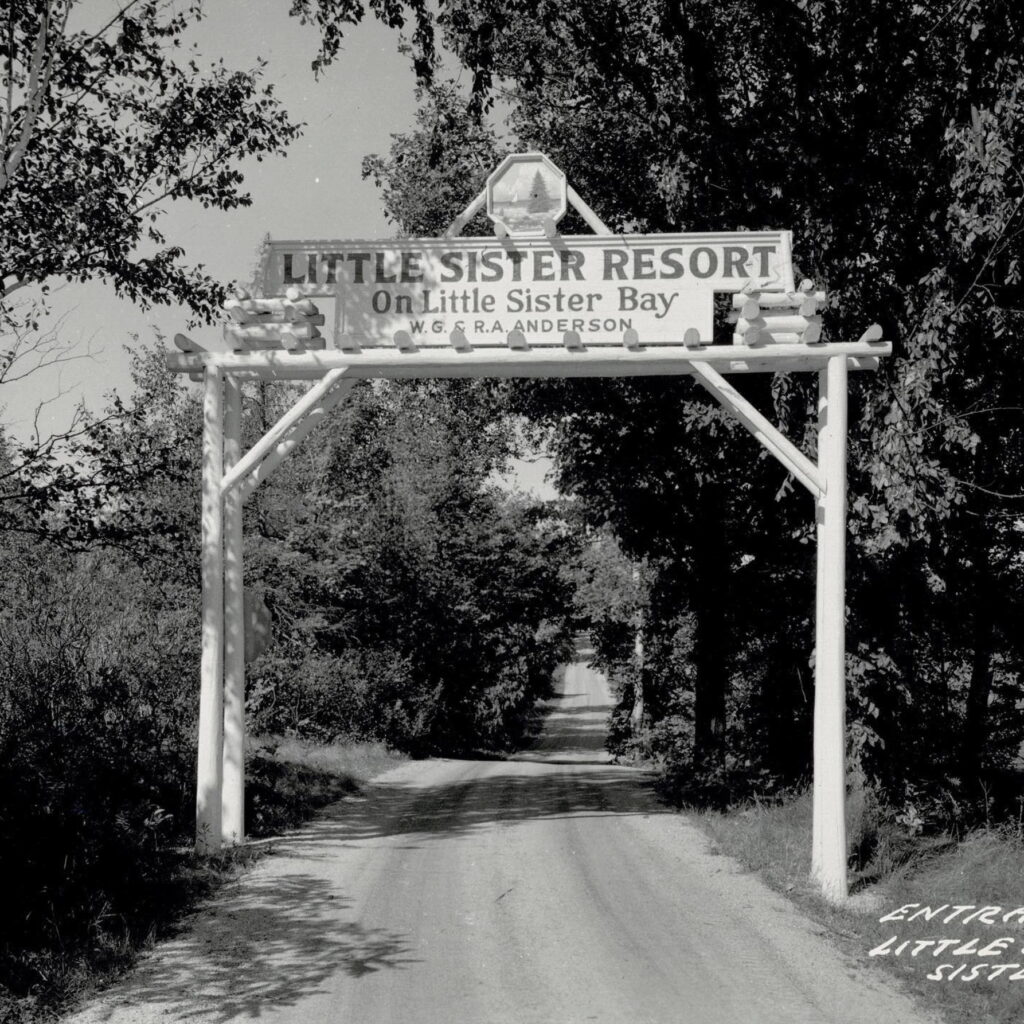
The sun set on Little Sister Resort for the last time in 2020. The cottages of the resort were replaced by private, luxury residences — a familiar occurrence along Door County’s shoreline, where new developments are reshaping who can afford to stay and who is forced to leave.
Tourism has long been the lifeblood of Door County, sending a wave of visitors to Wisconsin’s northeastern peninsula every summer. However, an ongoing increase in tourism is erasing generations of history and pricing out the very people who keep the tourist hotspot running. As residents grapple with these challenges, local business owners and nonprofits are stepping up to preserve the community and its history.
Mariah Goode, one of six founding board members of the Door County Housing Partnership, recognizes this crisis and the need for more housing that it presents.
“We need everything. We need rentals, we need single-family, we need multi-family, we need homeownership,” Goode says.
Tourism in Door County, which is home to roughly 30,000 year-round residents, is only continuing to rise. Annually, Door County is flooded by nearly 2.5 million visitors who flock to its hiking trails, restaurants and hotels in droves.
In 2024, Door County visitors collectively spent $523.2 million — an average of $1.4 million per day and a 5.3% increase from the previous year, according to a 2024 report from Tourism Economics.
As tourism climbs, so do Door County’s property values, making it difficult for year-round workers to find affordable housing.
Housing challenges
Goode has experienced the affordable housing crisis firsthand.
When she began looking for a place to live in Door County in the 1990s, finding rental housing was difficult. The first place she rented was later found to have mushrooms growing above the ceiling, she says. She eventually bought a house, but only with the help of roommates to make the mortgage payments.
The average price of a home in Door County was just over $420,000 as of November 2025 and had increased 2.8% over the past year, according to Zillow, a real estate website.
“Most people that are living up here and working year-round do not make enough money to buy a $400,000-plus house,” Goode says.
With the Door County Housing Partnership, which was established as a stand-alone nonprofit in 2019, Goode works to build affordable housing for workers who live in the area year-round. As of November 2025, the organization is currently closing on its seventh and eighth homes in Sister Bay.
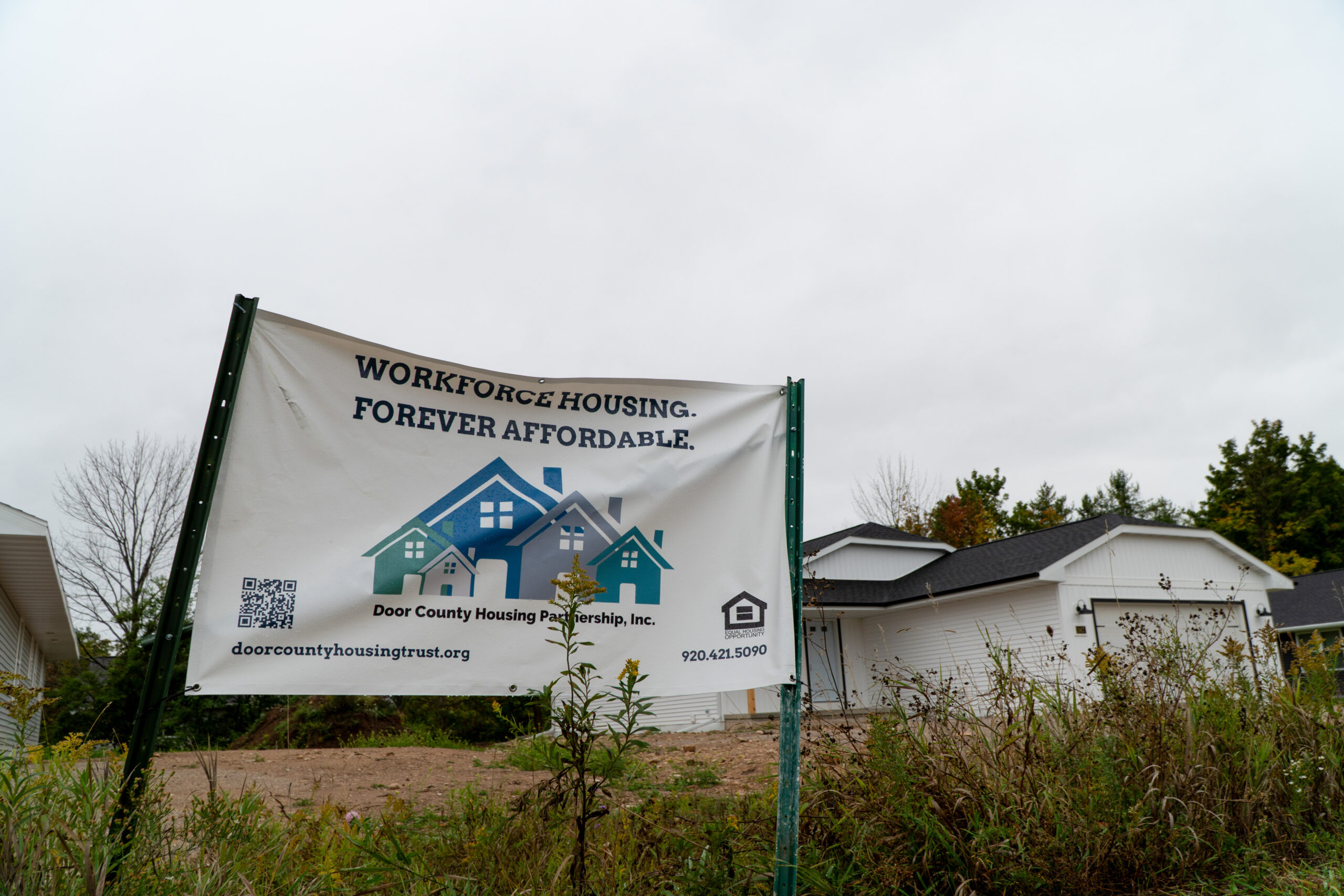
The Door County Housing Partnership operates using the Community Land Trust model of home affordability. Community Land Trusts are nonprofit or municipal organizations that acquire or build homes and sell them at an affordable price, covering the difference between the actual cost and an affordable price. The Community Land Trust owns the land, while the homeowner owns the house, ensuring that the home is affordable for the next eligible buyer.
Door County Housing Partnership uses a formula where the homeowner earns 1% equity on their purchase price per year — not the market value — and resell it at that earned-equity value.
“We’re subsidizing really heavily that first purchase so that home is affordable,” Goode says, “and then every family that buys it after that, it’s still going to be affordable.”
These homes might seem like small victories in the grand scheme of the housing crisis, but each home represents a family that gets to stay in Door County.
“I think my family member who first moved here … he’d be astounded and maybe a little bit disgusted by what’s happened.”
Affordable housing is not the only issue: Many homeowners are increasingly turning properties into short-term vacation rentals. In August 2016, Door County had only 111 Airbnbs, but by August 2025, that number had increased to 1,297.
The number of cottages, homes and cabins available for short-term stays in the county rose by 96% between 2009 and 2022, according to a report from the Door County Tourism Zone Commission. These conversions further strain the already limited market for locals who already struggle to find affordable housing.
For Jeb Blossom, a Door County local whose family’s century-old cottage is now neighbored by a new development, the changes in the county are personal.
“Door County has just changed so drastically and so fast,” Blossom says. “I think my family member who first moved here … he’d be astounded and maybe a little bit disgusted by what’s happened.”
Blossom acknowledges that while growth in Door County is important and is needed to keep people in the county, he believes there has been enough for now.
“A lot of the people who do live there aren’t the people that are living in waterfront houses that are only there for four months out of the year,” Blossom says. “They’re here all year round, through both the lull and the high season. And right now, a lot of them are being priced out.”
Luxury developments replace historic resorts
These changes are not just affecting workers and locals. Little Sister Resort, a mainstay for families for 102 years, was sold in 2020, and the site it used to occupy is now home to a luxury residential community. When the resort was sold, its popular waterfront restaurant Fred & Fuzzy’s Waterfront Bar & Grill was lost with it.
“[Fred & Fuzzy’s] was a pretty well-loved local and tourist place,” Blossom says. “I have some good memories going there when I was younger.”
The luxury homes built on its property follow a trend of people from out of town overhauling property and “usually doing a worse job than before,” Blossom says.
Lambert, whose family stayed at Little Sister Resort for generations, recently went back to see the new development.
“We hadn’t been back to it in a couple of years,” she says. “My dad had like a whole moment. He couldn’t believe his eyes.”
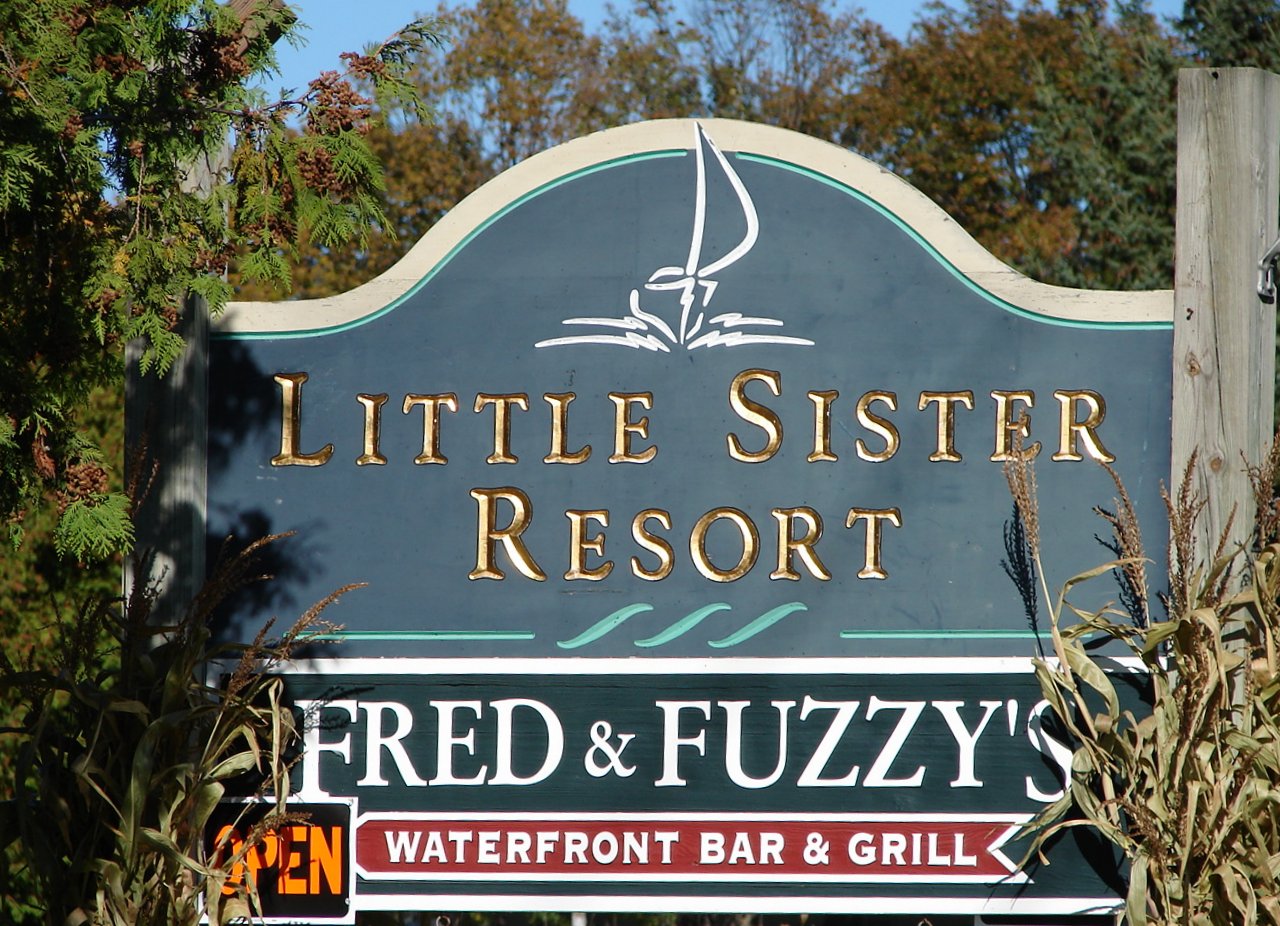
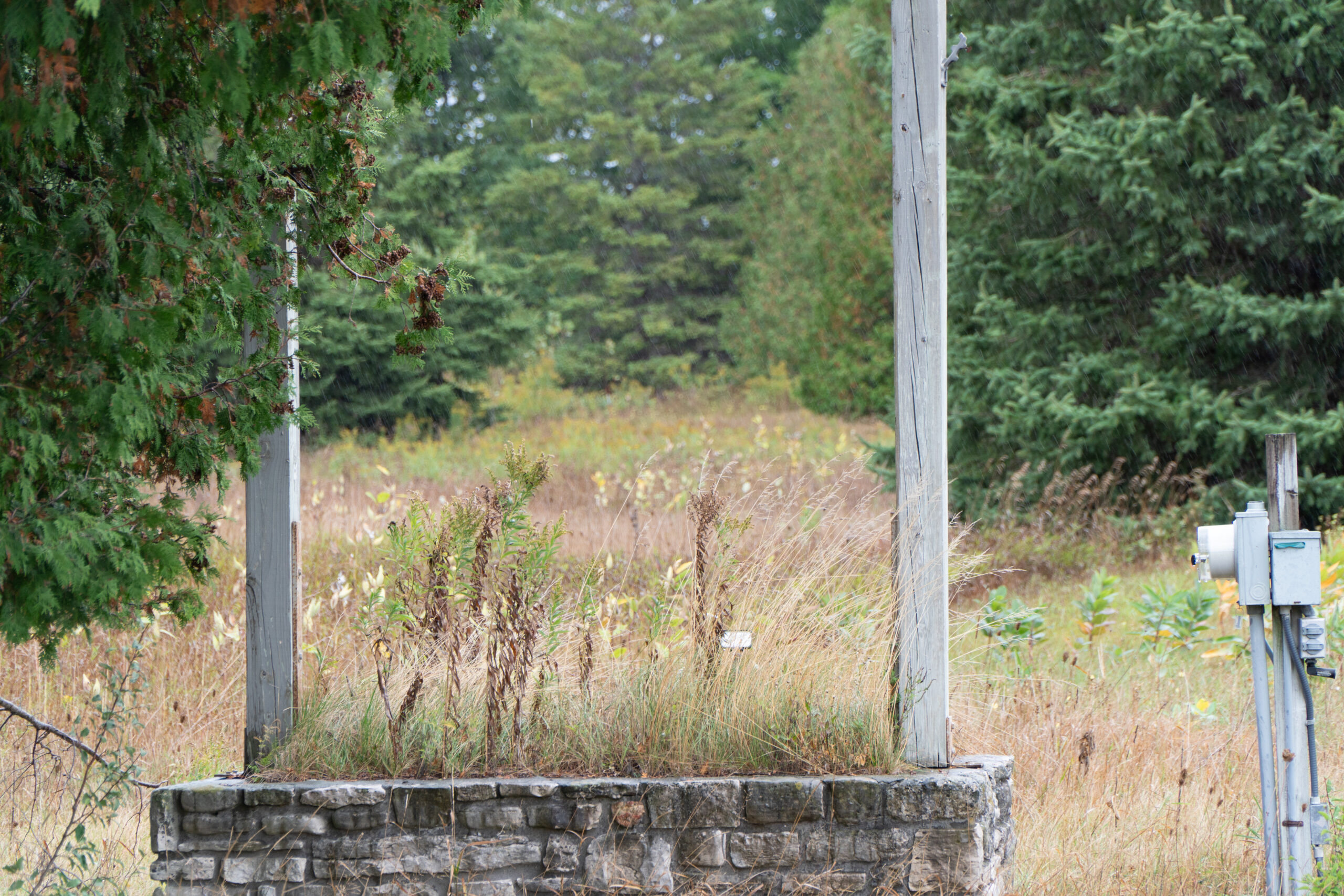
Photo 1: The Little Sister Resort sign in 2012, before the resort closed its doors in 2020. Photo by Tricia Turner
Photo 2: The old Little Sister Resort sign sits empty in 2025. Photo by Josie Cargill
Lambert now stays at Bayview Resort and Harbor, but it’s not the same, she says.
“My fondest memories to this day are just the bonfires that we have every night, especially at Little Sister. You could just have them every single night,” Lambert says. “The place we go now, we get one or two during the week. It’s kind of sad.”
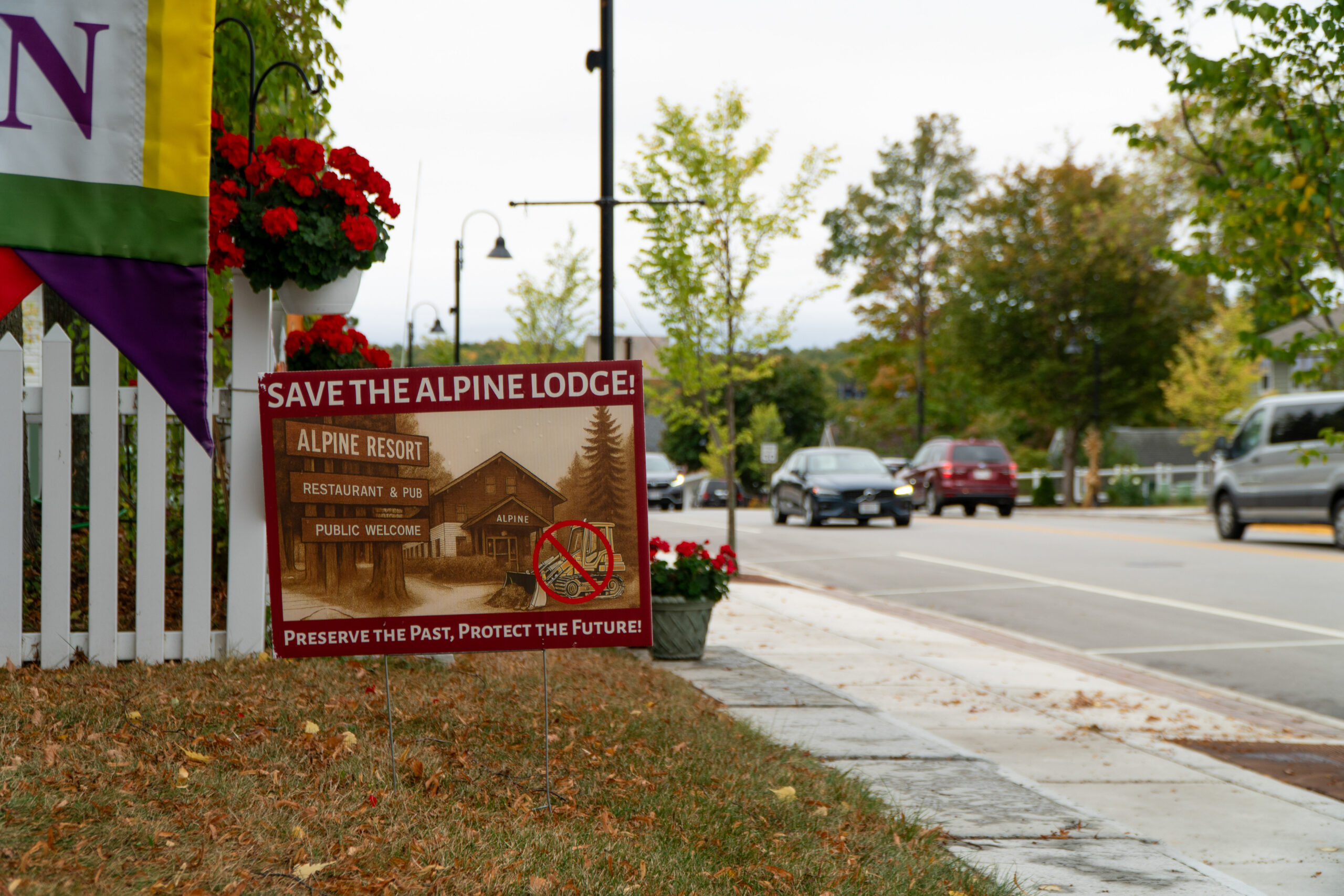
Alpine Resort in Egg Harbor, on the west side of the peninsula, faces a similar fate as developers seek permits to tear down its historic lodge. Many locals oppose this move. A citizen-led advocacy group, Preserve Egg Harbor, is working to save the Alpine Resort and the greater heritage of Egg Harbor.
In an email to Curb, an anonymous representative from Preserve Egg Harbor disclosed that “tens of thousands of families had their first experiences of Door County at the Alpine — weddings, reunions [and] summer vacations for generations.”
If the lodge is demolished, another of Door County’s historic gathering places will be lost — the kind of place that, thanks to the rise of luxury private homes, is now all too rare.
Businesses step up
While many people are being pushed out of Door County, business owners like Chad Kodanko, part-owner of vacation rental company Rent Door County and restaurant Husby’s Food & Spirits in Sister Bay, are working to keep local workers in the community by buying housing in the area for their employees.
“We generally bought it when it was more affordable, so we could give options to our employees,” he says.
Seasonal workers are an incredibly important asset to the tourist economy. Many of the seasonal workers in Door County come on J-1 student visas as part of Door County’s summer work travel program. These visas provide foreign students with an opportunity to work and experience the culture of the United States. In 2025, 556 exchange students participated in the program in Door County.
As a business owner, Kodanko emphasizes how important tourism is for Door County’s economy. In 2024, Door County’s visitor economy supported 3,524 jobs, according to Tourism Economics.
At the same time, Kodanko acknowledges the need to manage growth in Door County carefully.
“It is important that we figure out a way to manage [tourism] as best we can so we don’t allow unlimited growth in our small communities, because it will change the fabric of who we are,” Kodanko says.
Tourism in Door County has proven to be a double-edged sword. The rise of housing costs and luxury developments push out locals and even some visitors, while organizations fight back to keep families, workers and historic gathering places in the area.
“I think sustainability is a perpetual journey,” says Katie Freeman, owner and consultant at Ethos Sustainability Consulting, a firm that specializes in sustainable tourism. “You’re always striving toward it, but you’re never going to get quite there … Door County is, more than a lot of other places, doing a very good job at being conscious of this topic.”
For those who grew up in the county — longtime residents, seasonal workers and returning visitors who once gathered to watch the sun set on Little Sister Bay — every change feels like a loss.
“I think it’s time to focus less on attracting more people,” Blossom says, “and focus on taking care of the people who actually make things happen in the county.”
Feature photo: Little Sister Road sign in Sister Bay, formerly the entrance to Little Sister Resort. Photo by Josie Cargill