From State Street to Bascom Hill, these pictures of past and present Madison capture the ongoing push and pull between Wisconsin tradition that remains the same and innovation that continues to evolve. Traces of historic landmarks sit next to new campus spaces, trains give way to student footsteps and bikers, and familiar gathering spots still carry their vibrant, community-oriented spirit. Together, these images show how Madison moves forward while staying rooted in Wisconsin magic.
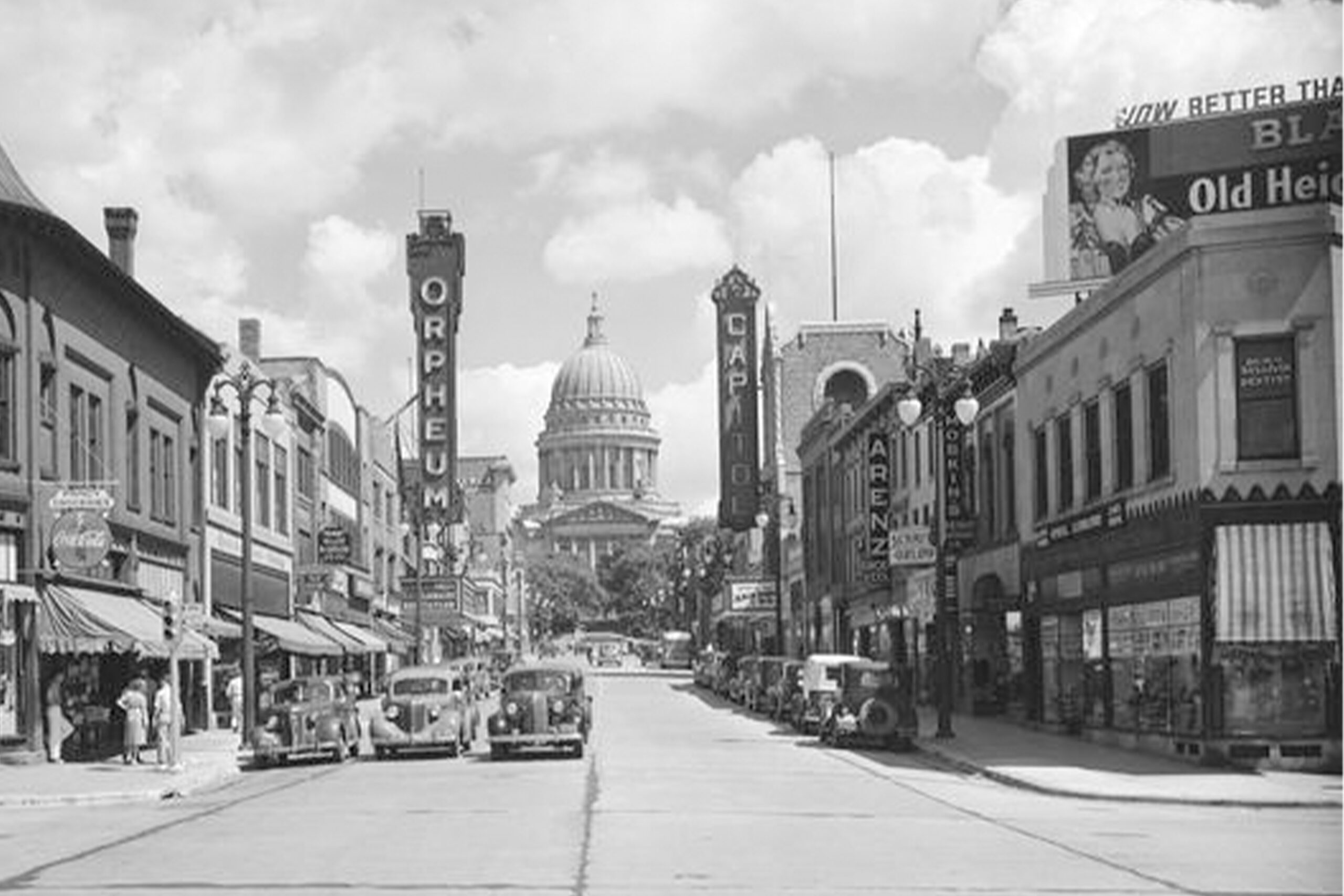
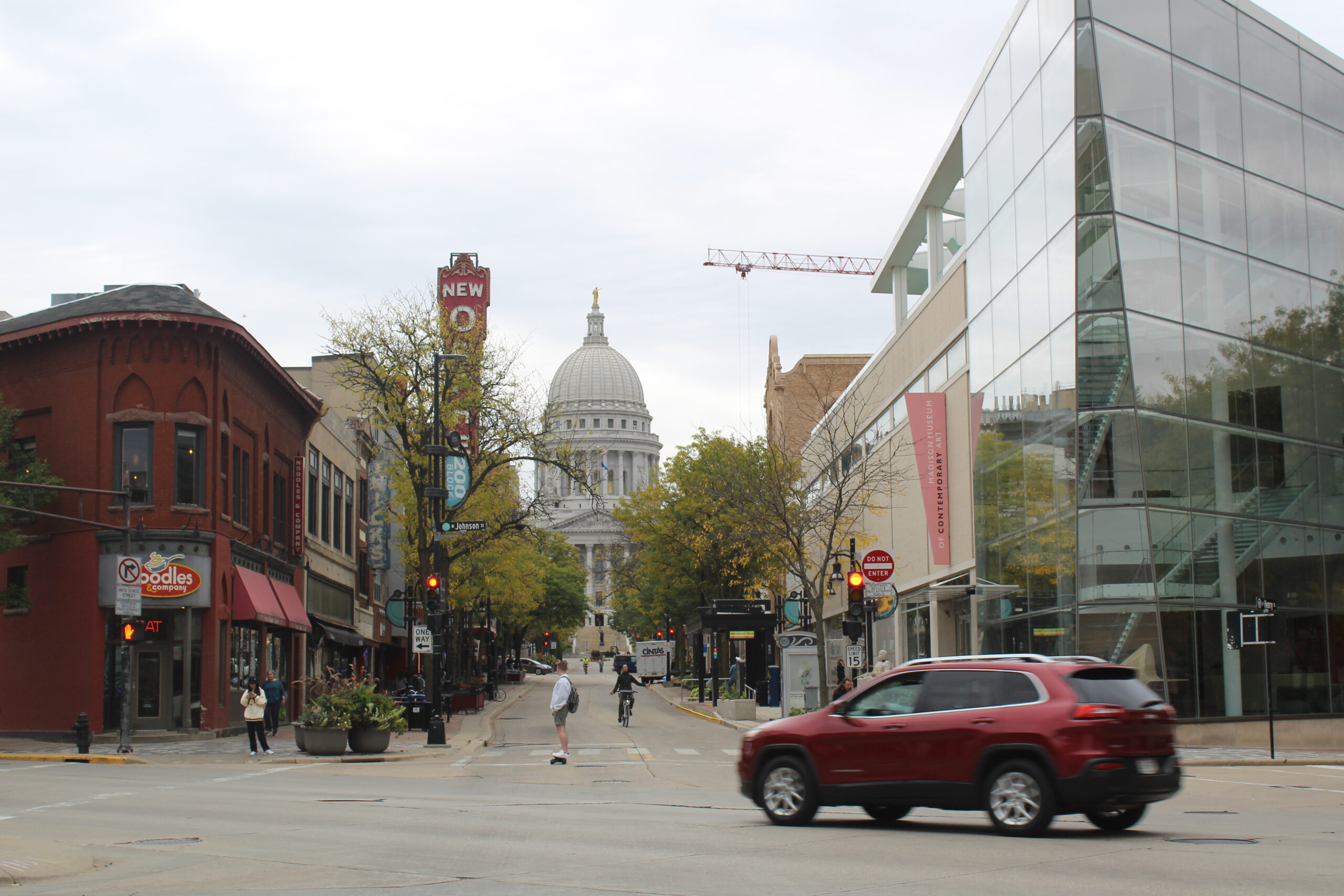
Bustling with energy, State Street is Madison’s link between the UW–Madison campus and the Capitol. Lined with eclectic shops, local eats and street performances, this hub captures the city’s spirit — where students, locals and visitors come together to shop, dine and enjoy the heartbeat of downtown Madison.
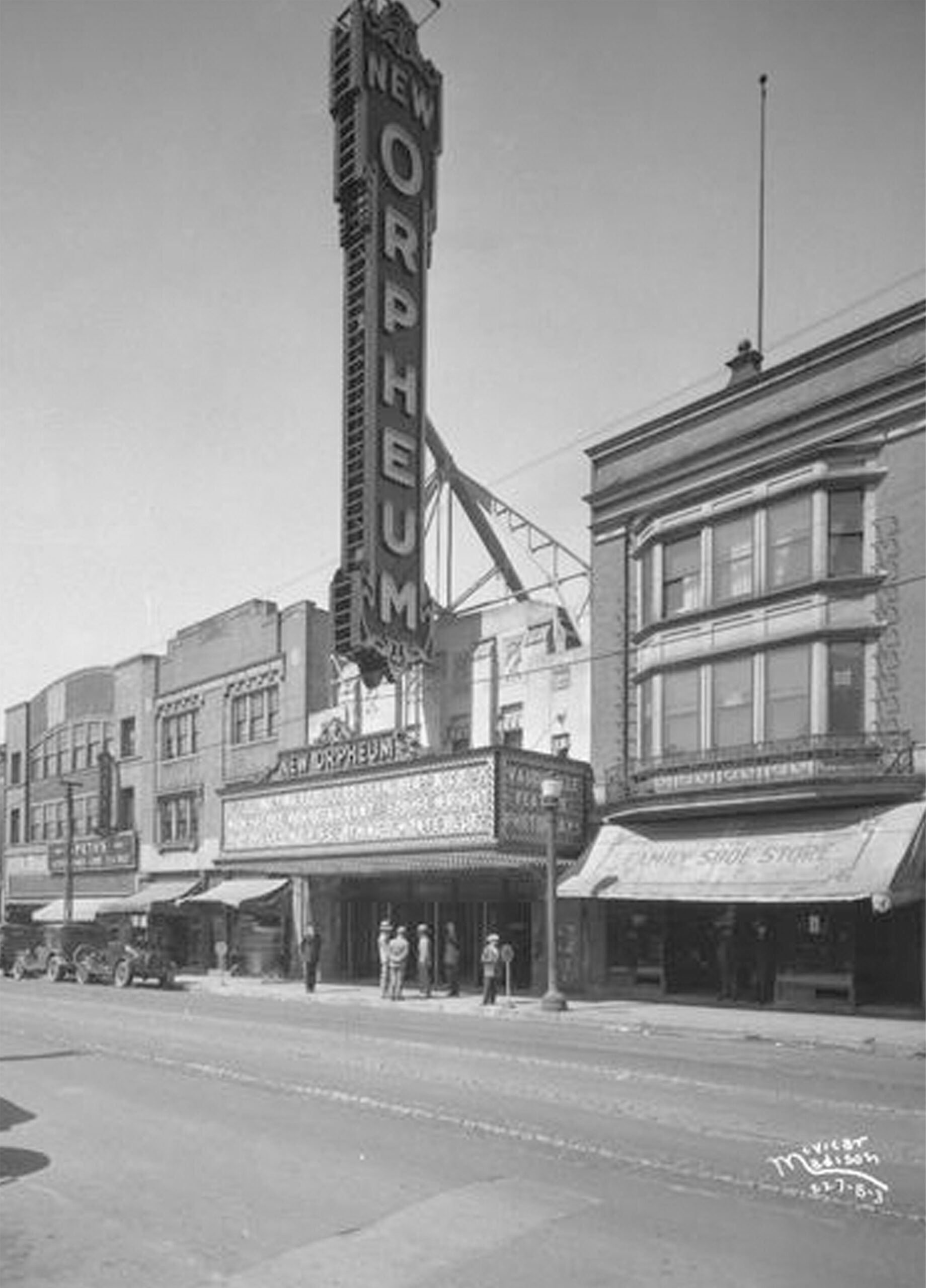
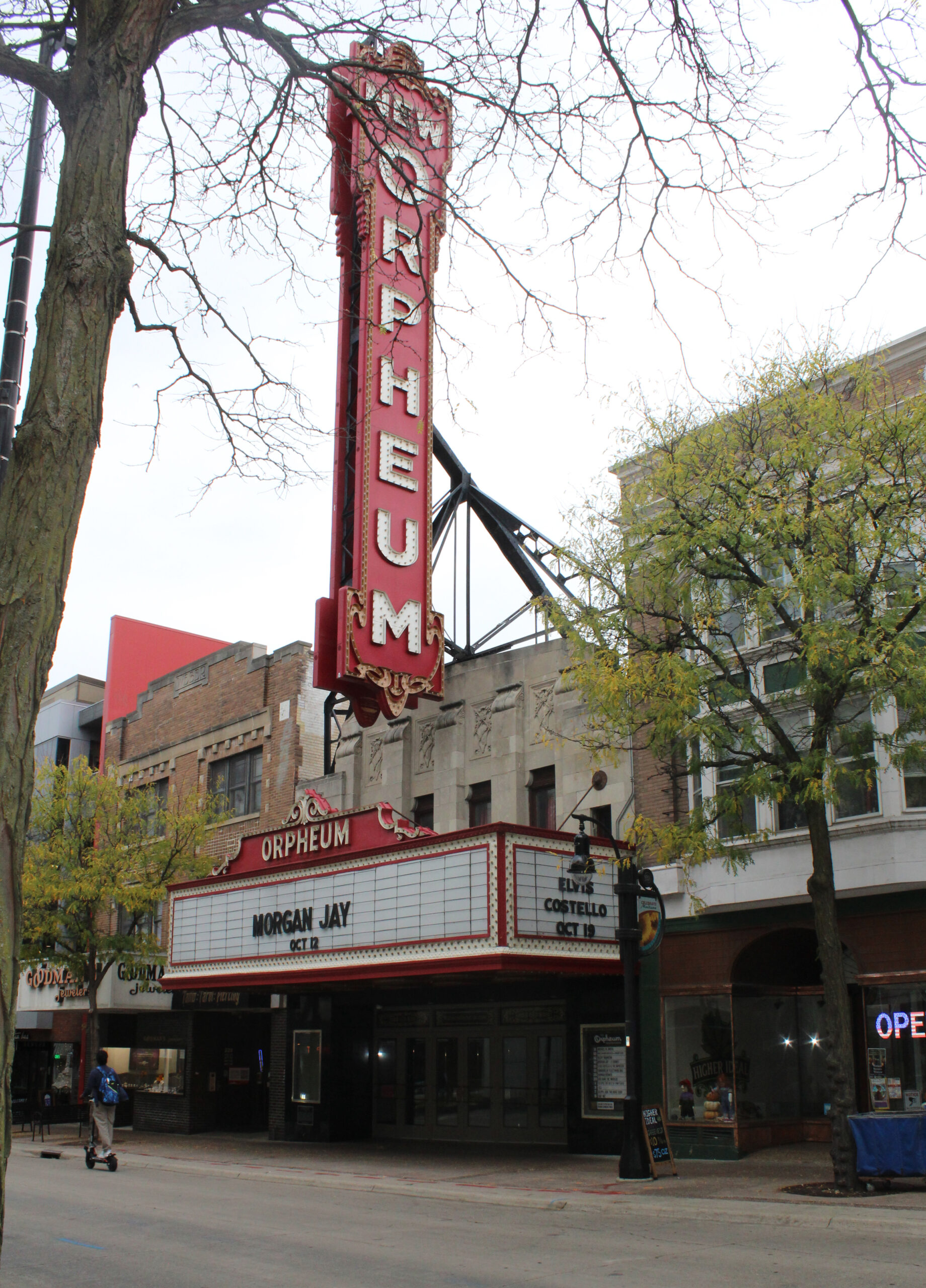
The Orpheum Theater, which has lit up State Street since 1927, is the ultimate mix of vintage charm and modern flair. With its dazzling marquee and history of hosting legends from Ella Fitzgerald to Snoop Dogg, the Orpheum is the city’s stage for unforgettable nights full of laughs, tears and sing-alongs.
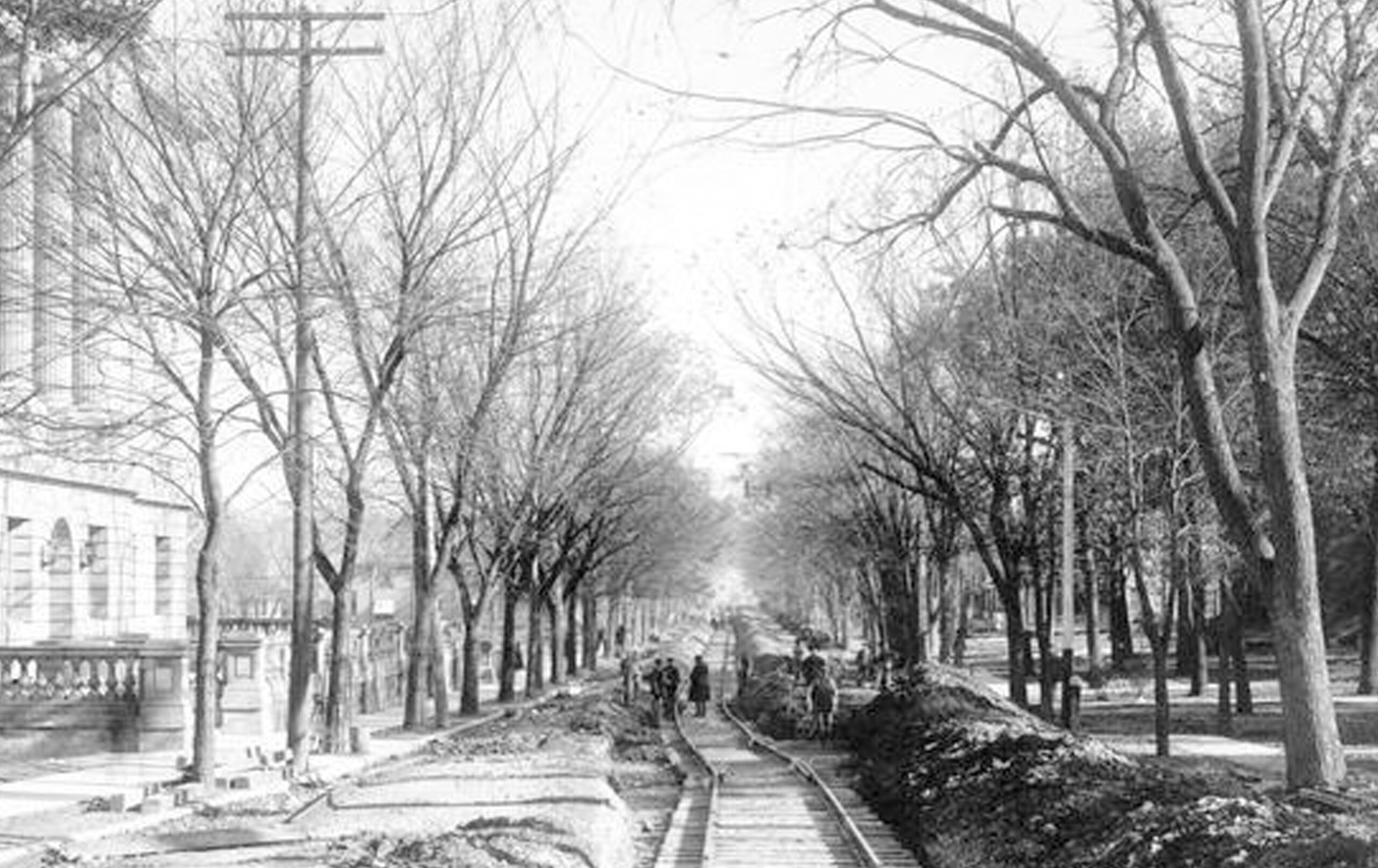
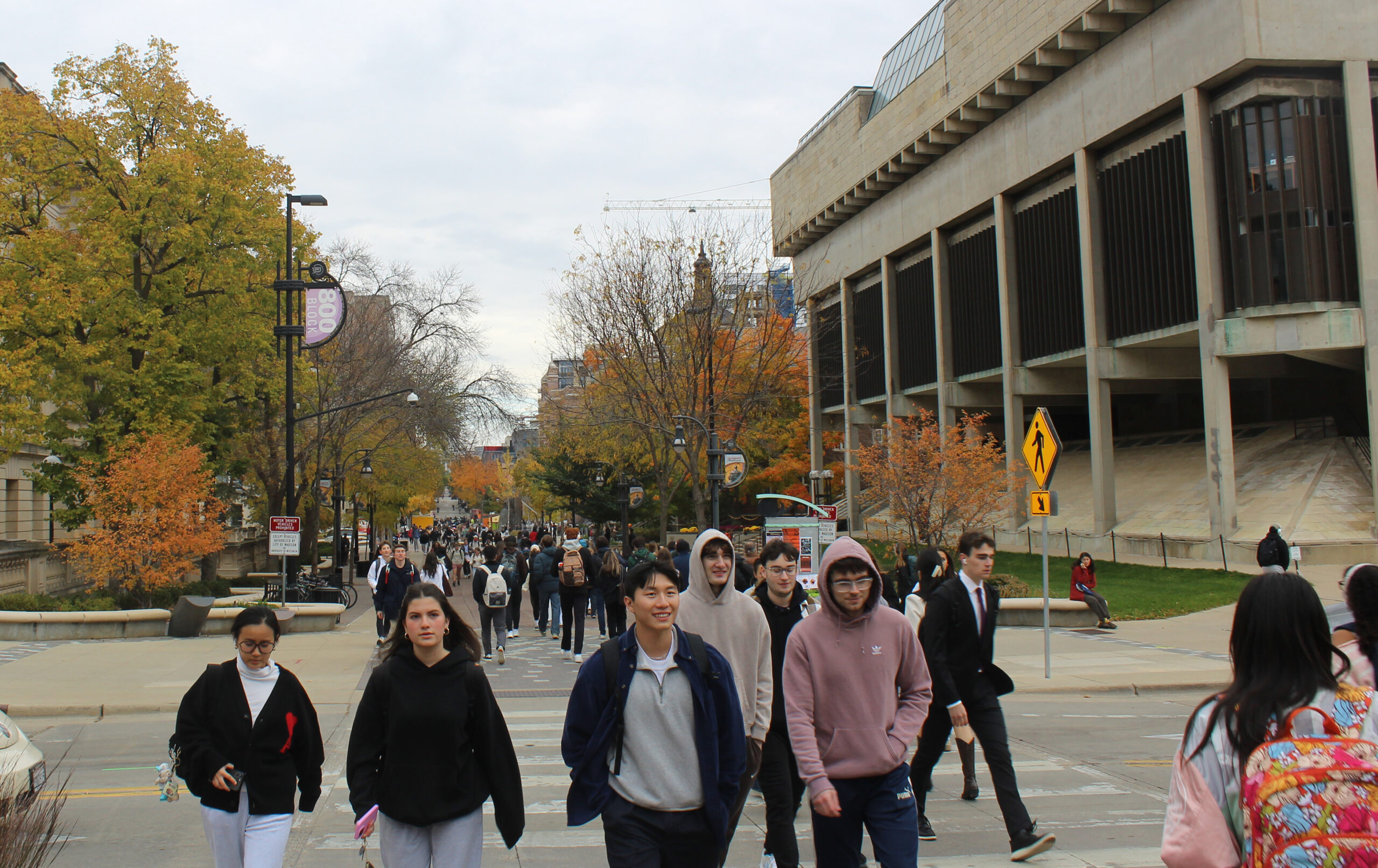
This view of the Wisconsin Historical Society from Park Street looking east toward UW–Madison’s Library Mall highlights Madison’s evolution from a Midwest town to a lively, student-filled hub. In the early 20th century, railroads were essential to Madison’s growth as a city. With more than 100 trains arriving and departing daily, passengers could travel to and from Chicago, Milwaukee, Minneapolis, and Duluth by riding these passenger trains. As the campus grew and rail activity declined, the railroads disappeared under sidewalks, making room for student footsteps.
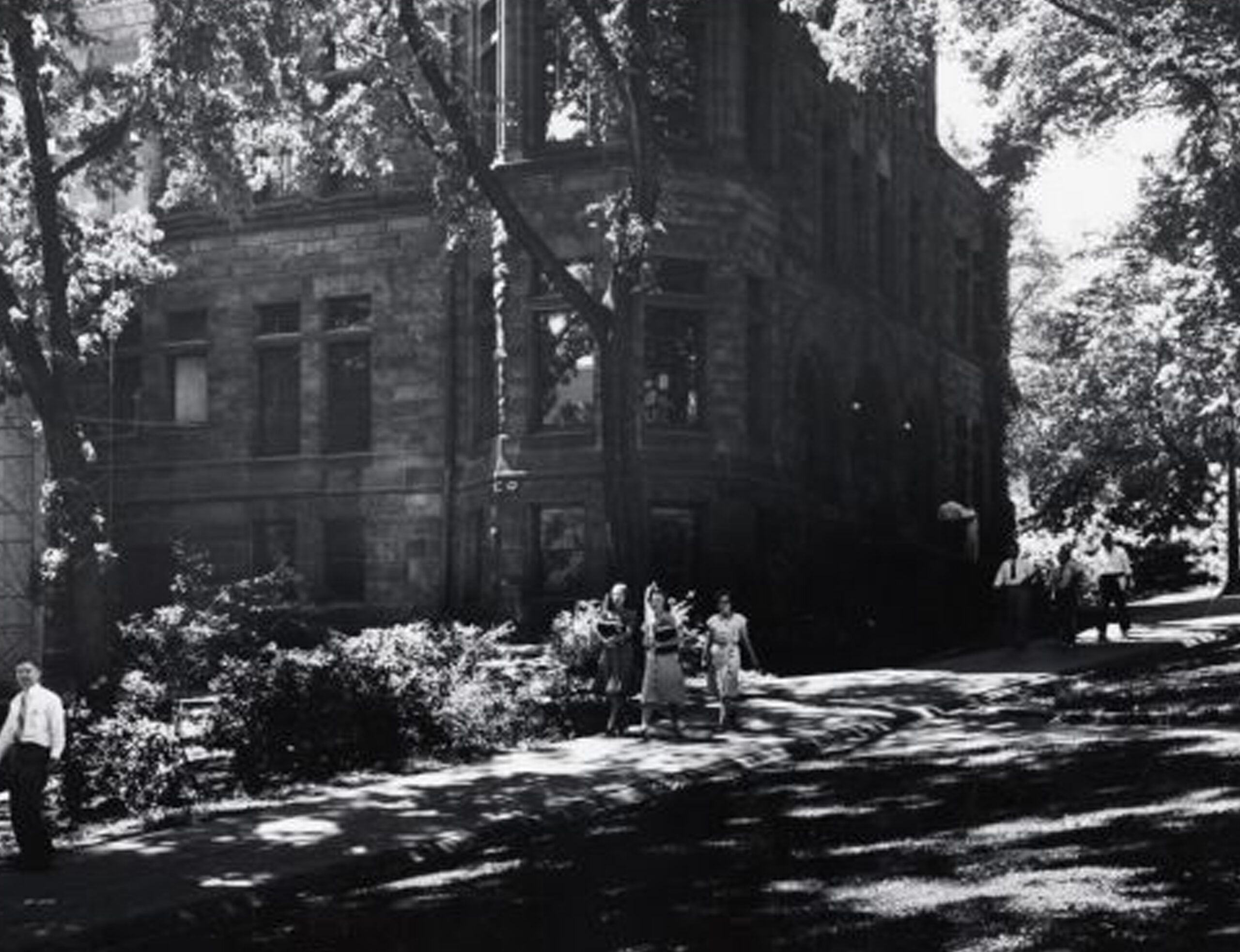

For more than 150 years, the University of Wisconsin Law School has shaped the minds of future lawyers. The school is home to the time-honored tradition of the Cane Toss, dating back to the 1800s, in which second-year students toss canes to first-years during the Homecoming football game. If a cane is caught, it symbolizes a successful future in law.
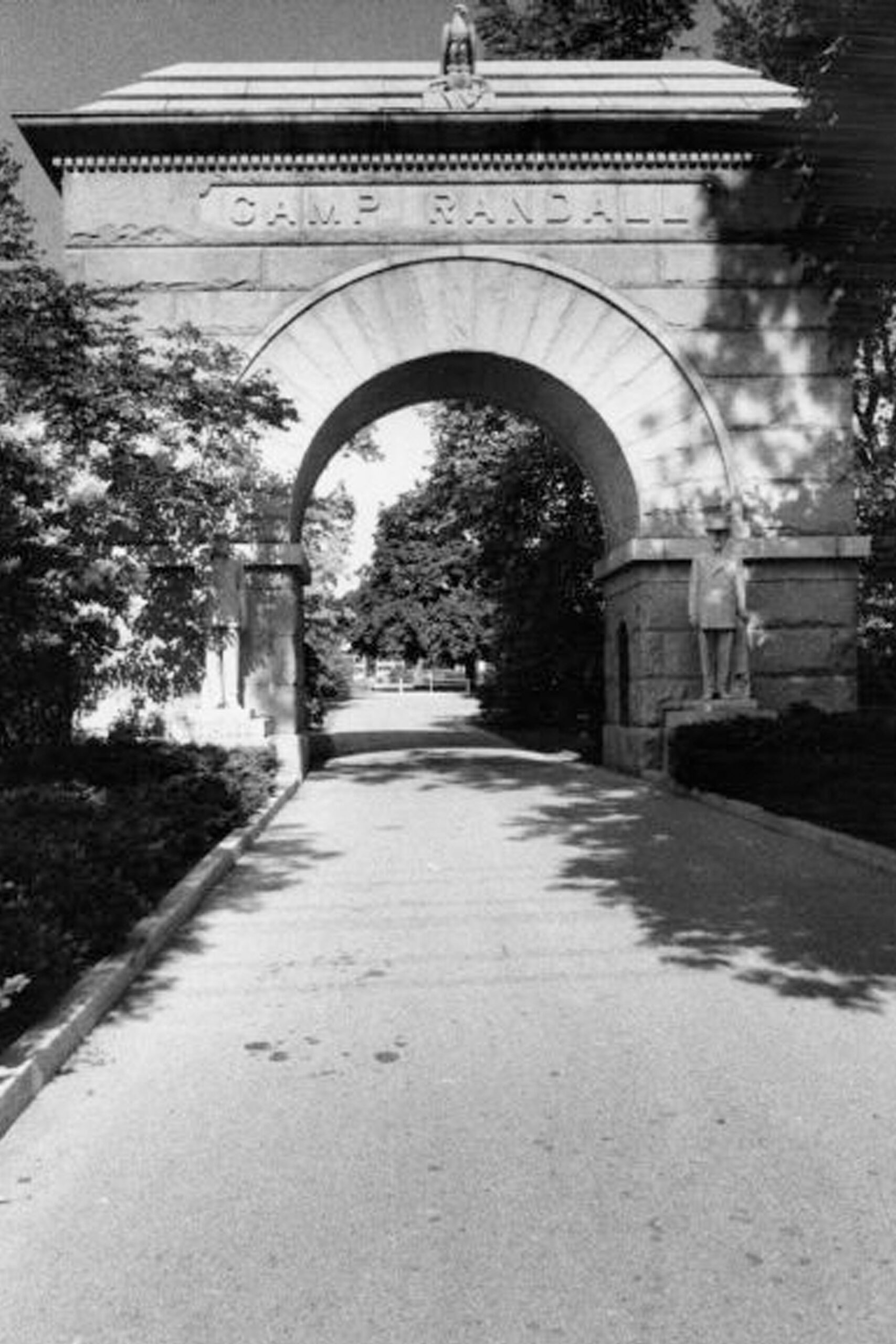
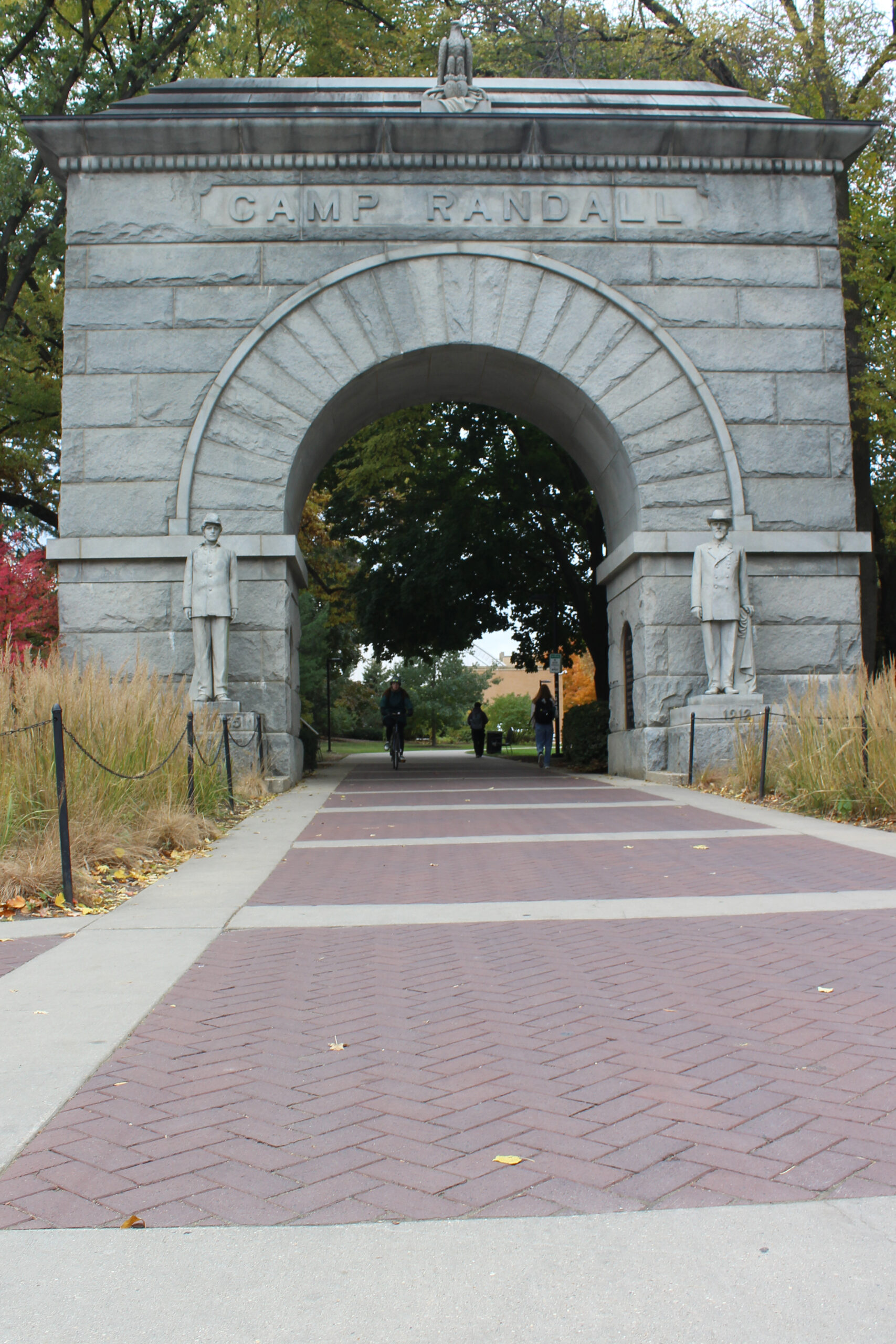
Standing tall outside of Camp Randall Stadium, the Camp Randall Memorial Arch is a gateway to Badger pride. Once the training grounds for more than 70,000 Civil War soldiers, the arch now greets Badger fans, the UW–Madison football team and the university’s marching band on game days.
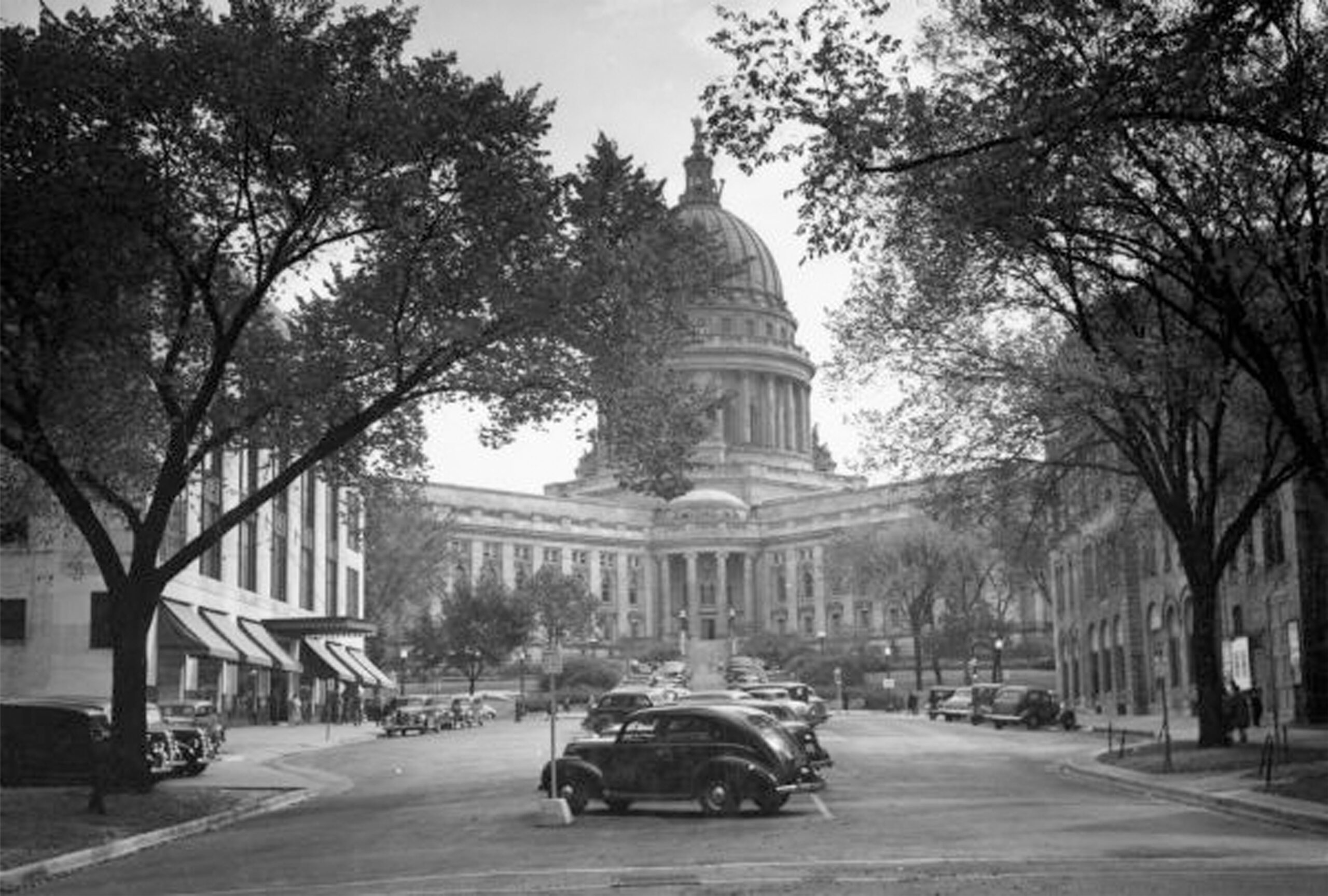
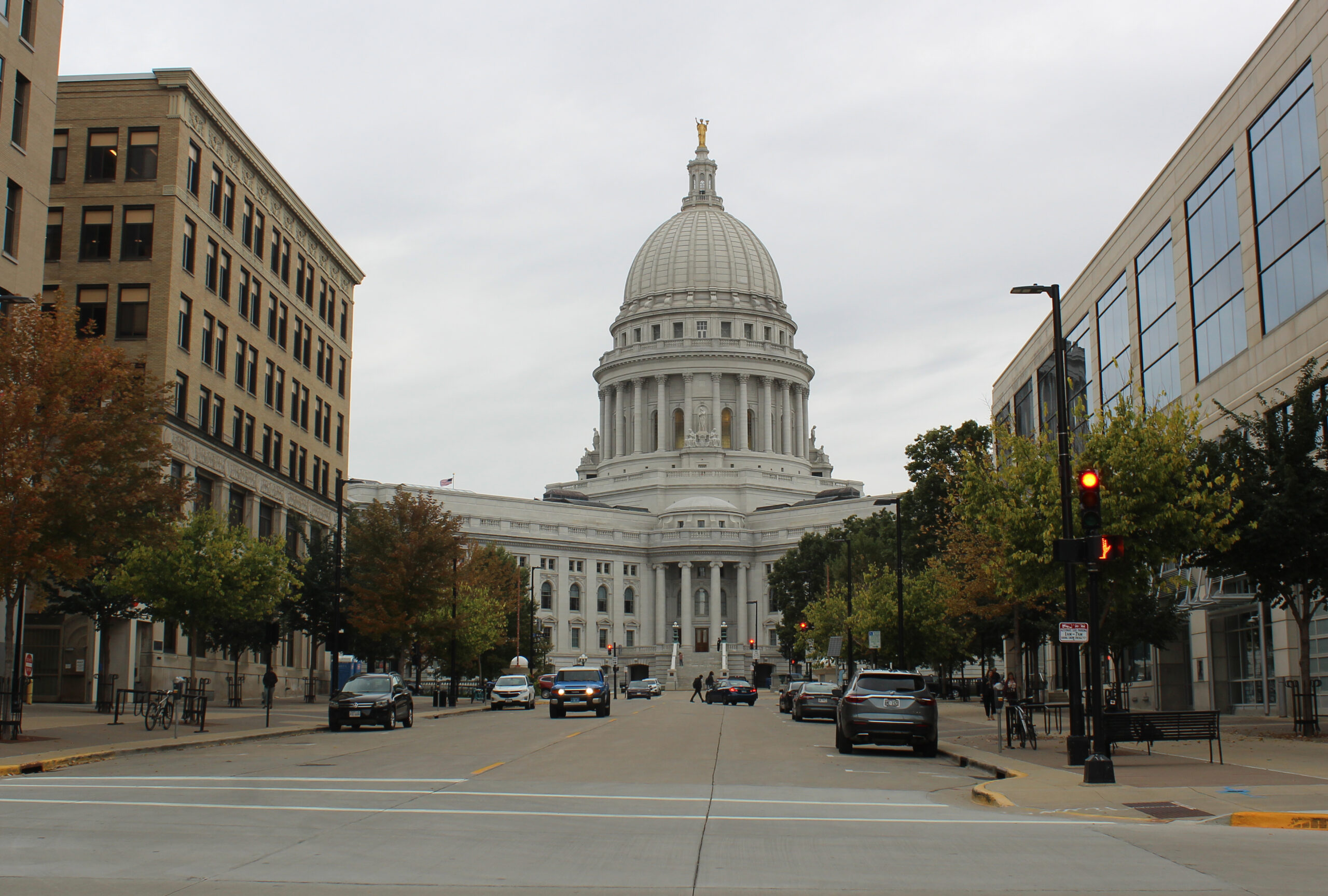
Standing proudly at the heart of Madison’s isthmus, the Wisconsin State Capitol that was completed in 1917 is the third iteration of the state’s seat of government — a true masterpiece of architecture and history. From its marble halls to the panoramic observation deck, this landmark combines innovation with Wisconsin price, offering guests a glimpse of the state’s spirited past and vibrant present.
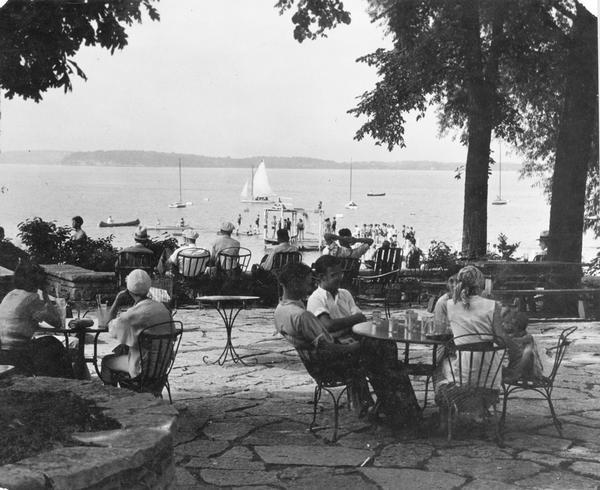
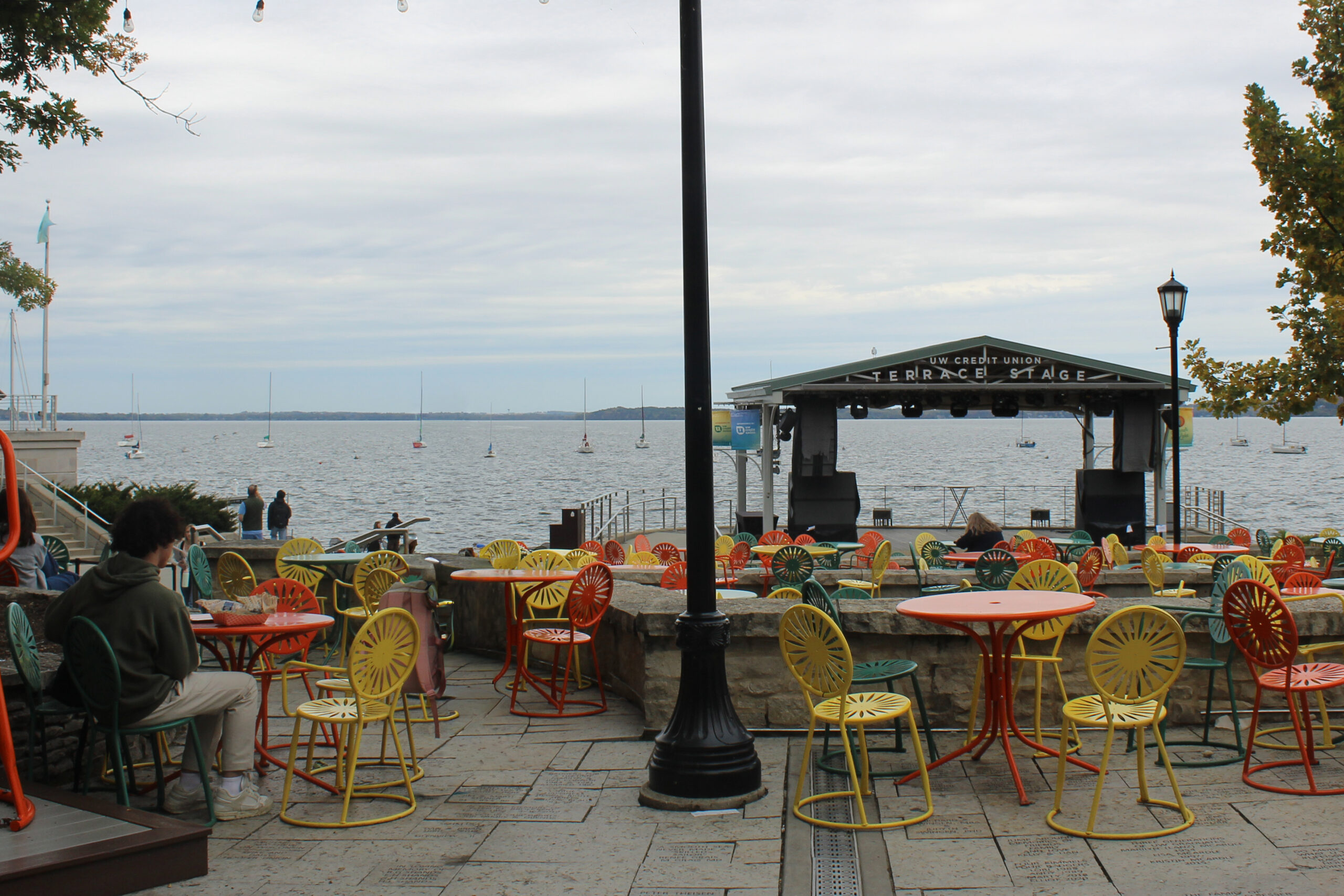
With its colorful sunburst chairs, beautiful lakefront views and lively atmosphere, the Memorial Union Terrace, built in 1928, remains Madison’s go-to place to unwind, reconnect with friends and savor a classic brat.
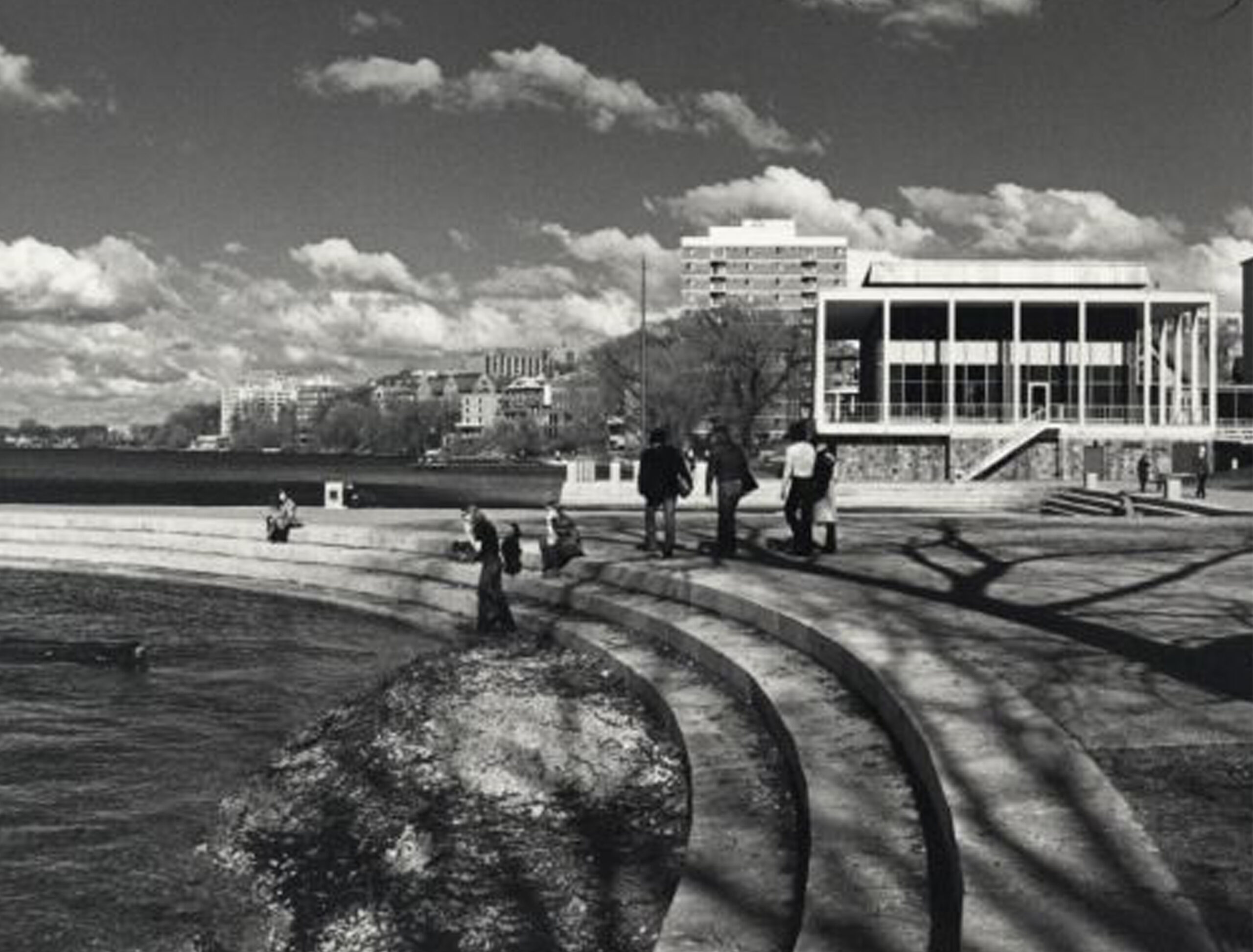
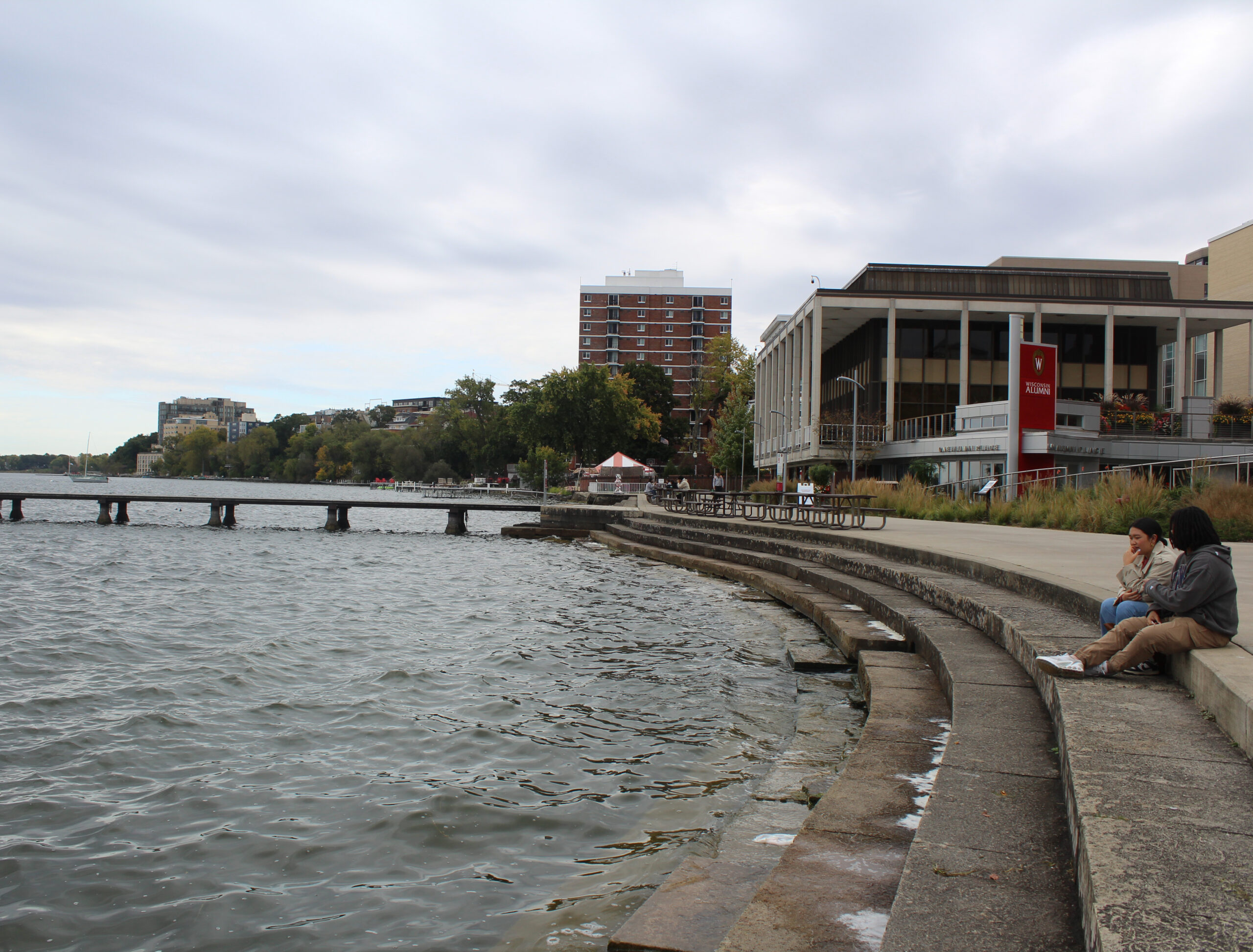
With its curved lakeshore steps and breathtaking views of Lake Mendota, the Memorial Union Terrace Shoreline has long been a favorite spot for students, alumni, and visiting families to pause, take in the water and enjoy the vibrant campus life. Facing Wisconsin Alumni Park — a space first built in the 1900s by Arthur Peabody as a “lakeshore gateway” — the area now celebrates generations of UW alumni with an 80-foot Badger Pride Wall, a seven-foot illuminated lantern, and a welcoming green park, fulfilling Peabody’s century-old dream.
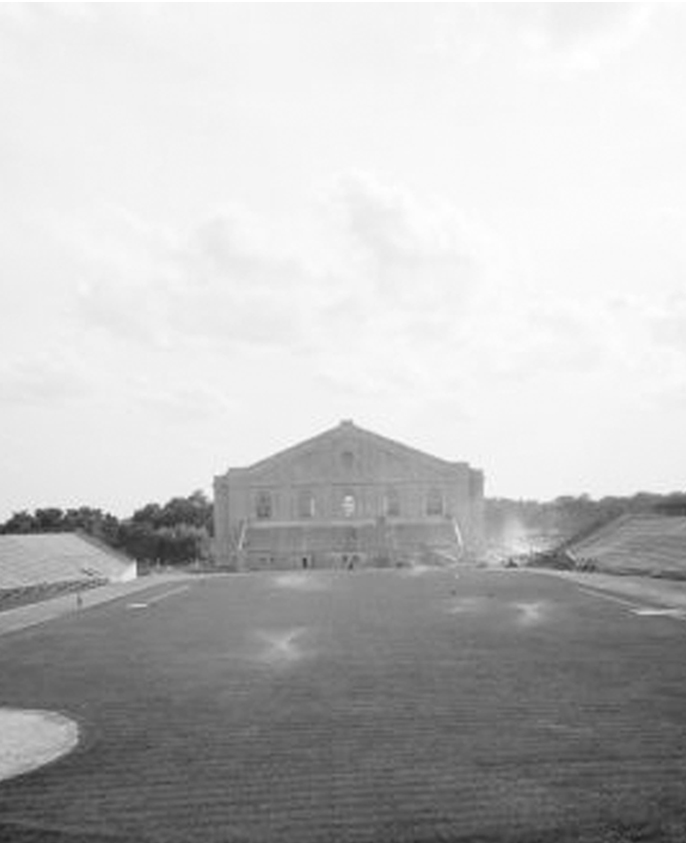
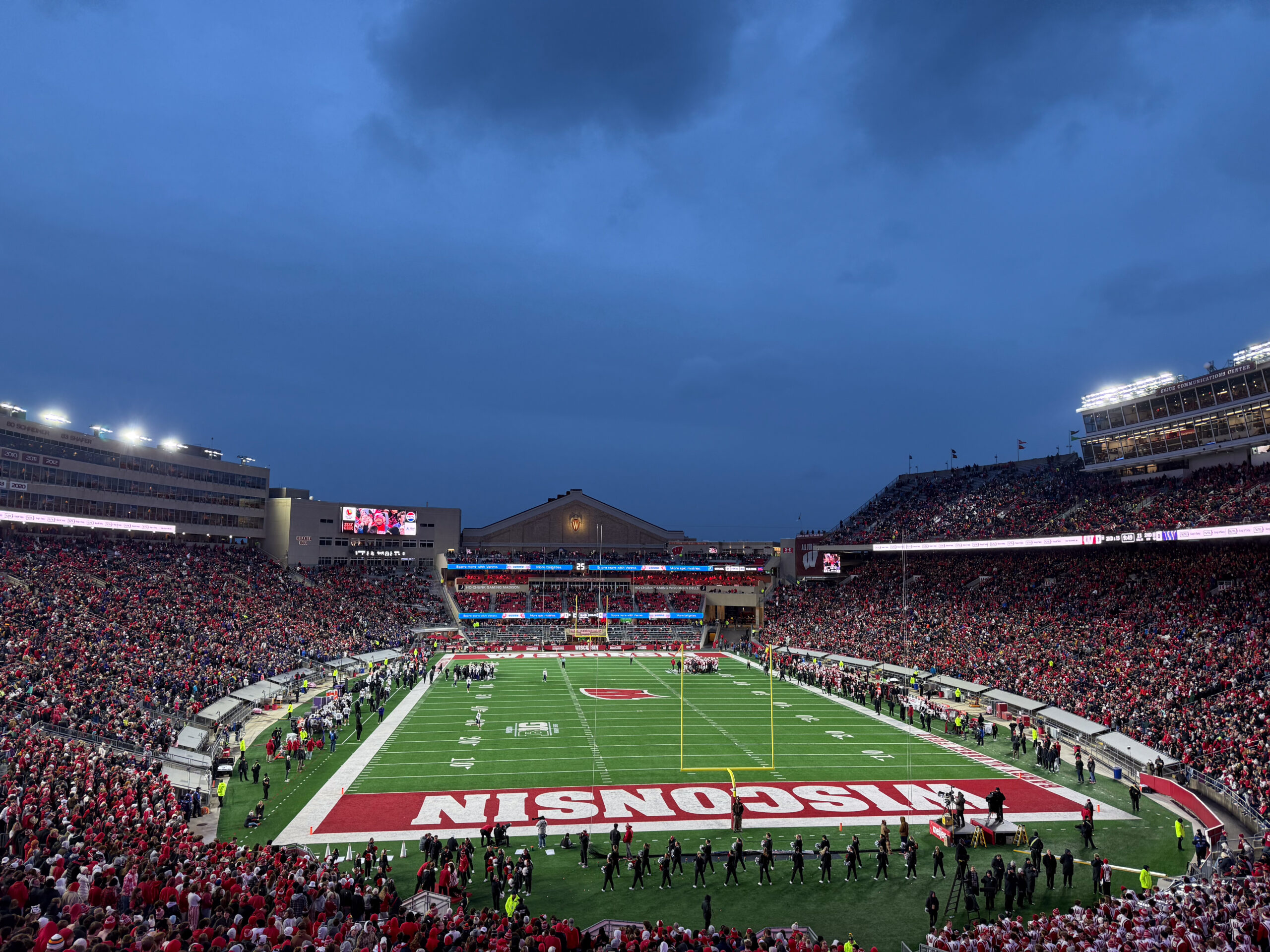
Echoing with cheers and school spirit, Camp Randall Stadium bleeds red and white with Wisconsin pride. Once a Civil War training ground, it’s now home to roaring Badger fans and unforgettable game days. From the “Jump Around” tradition to championship wins, the historic stadium is a Wisconsin landmark where community and celebration collide most fall Saturdays.
before Photos courtesy of wisconsin historical society