The car screeches to a stop, its engine ticking as smoke puffs from the tires. A gloved hand peels off the wheel, and the driver swings open the door, stepping out to the crowd at the 2021 Circuit of the Americas.
Then the helmet comes off — long blonde hair spills past Natalie Decker’s shoulders. She flashes a grin at her first-place trophy, and the cheers swell louder, women’s voices cutting through the noise in celebration.
“It must be some type of adrenaline junkie inside of us that I can’t explain,” says Chuck Decker, father of NASCAR driver Natalie and 1987 World Champion Snowmobile Racer. The thrill of speed runs deep in the Decker family — and for Natalie, it’s more than a feeling.
From being raised on her family’s snowmobile track in Eagle River to becoming a professional NASCAR stock car driver, 28-year-old Decker isn’t just a racer.
With every lap she speeds past her male competitors, she proves that racing isn’t just a boys club.
Female competitors like Decker are becoming part of a rich racing legacy in Wisconsin — one that started with the founding of the Milwaukee Mile in 1876, the oldest operating motor speedway.
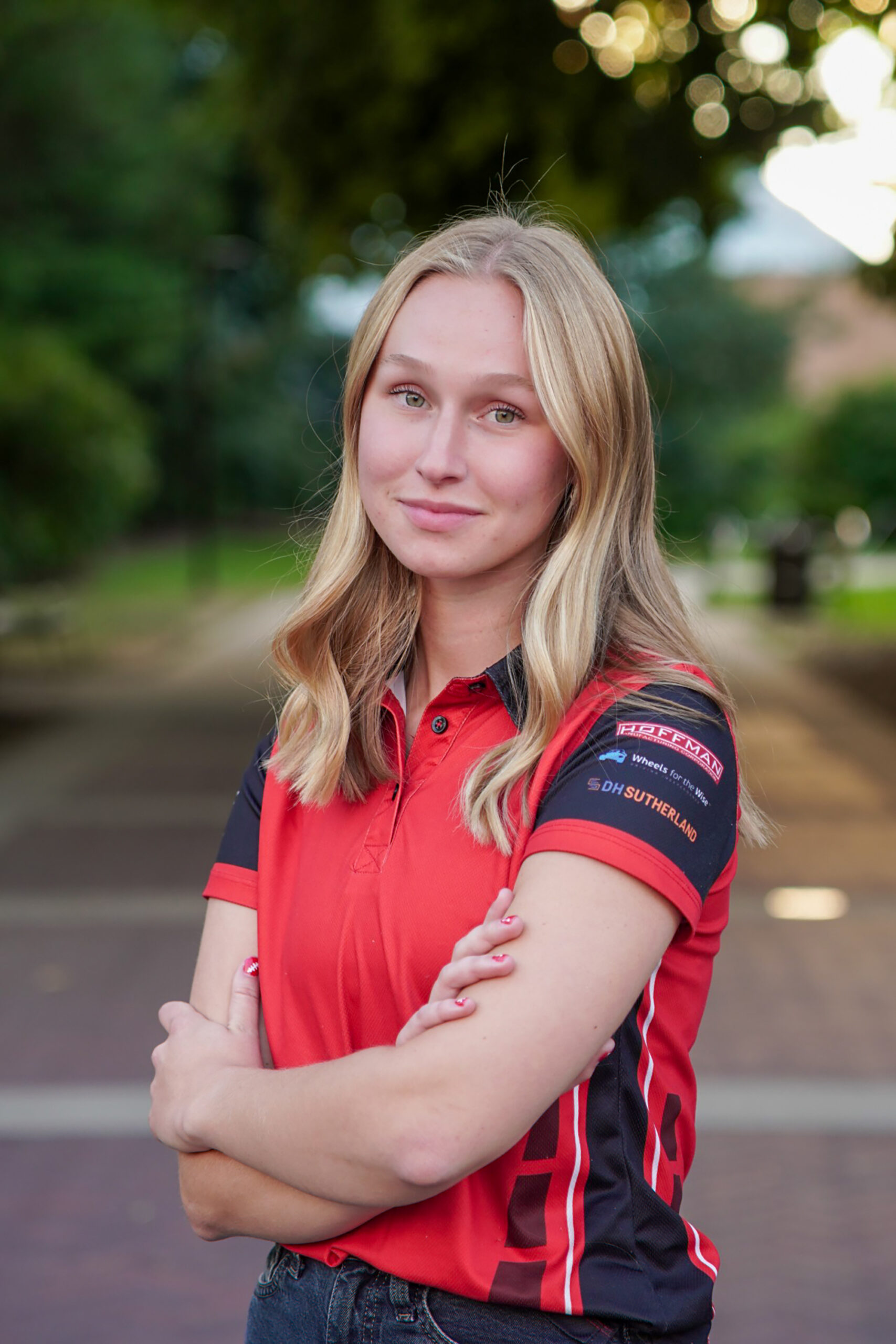
Today, more girls are stepping into motorsports, often getting their start in go-karting. In the process, they’re battling for a position in the industry and inspiring future generations. Among them are a group of Wisconsin-raised racers and engineers, including Decker, Ava Hanssen and Chloe Thompson. They’ve faced challenges securing sponsorships — turning to social media to fund their passion — while competing with gender bias and equipment disparities. Yet the support of their families keeps them grounded — and driven. Their stories highlight more than just athleticism. Beyond the track and the shop, each woman’s journey is defined by her challenges, successes and the communities that uplift them.
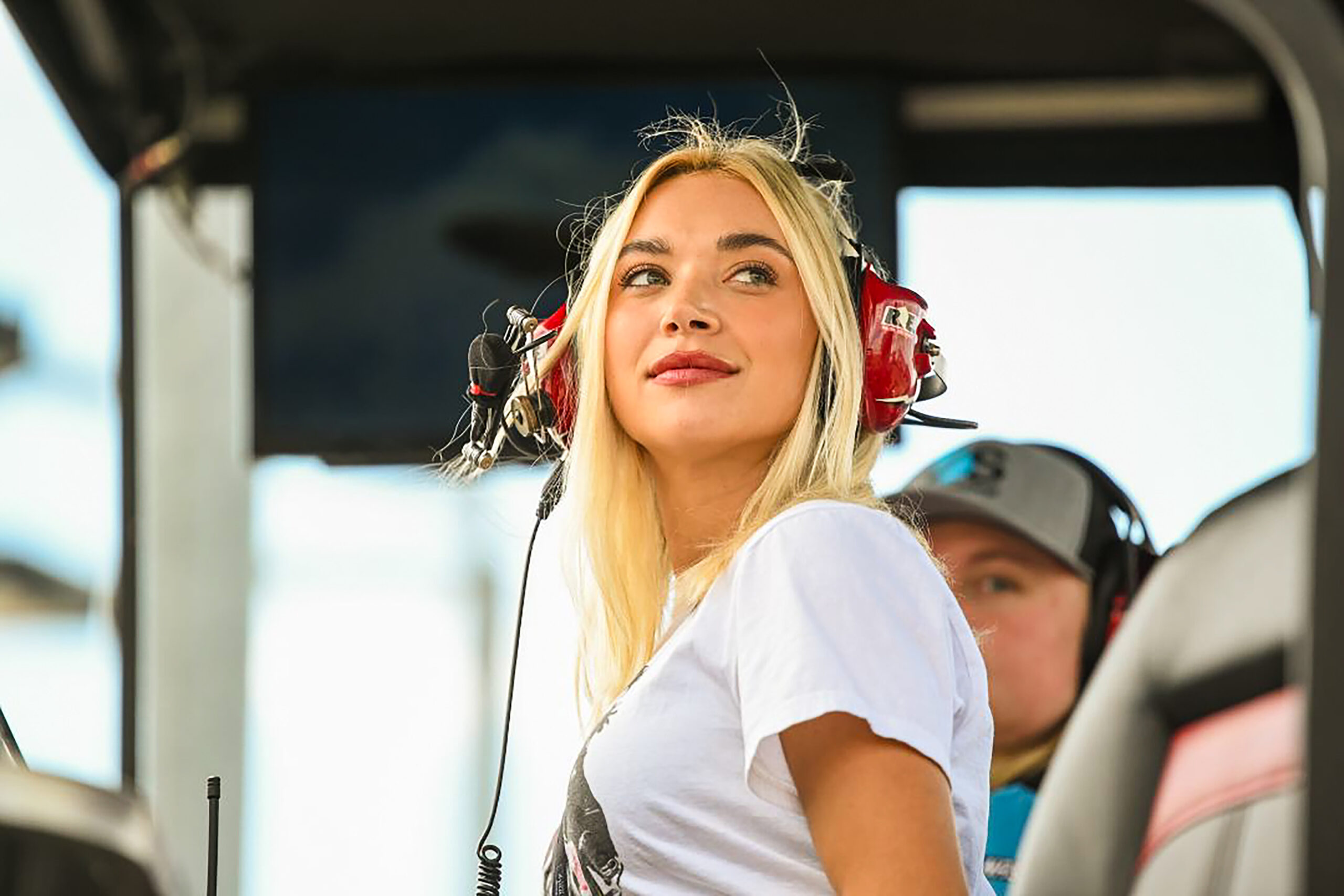
“I see growth and more women coming into the sport, which is good,” Decker says. “It’s a slow process.”
With the increased spotlight on racing through social media, Netflix specials and mainstream media coverage, the sport has captured the attention of not only young female drivers but also a growing number of female fans. In 2022, Formula One CEO Stefano Domenicali said 40% of Formula One fans are women.
“When I was growing up racing go-karts and short track racing, a lot of the time I was the only girl,” Decker says. “Now, when I go down to those levels and go and watch as a fan, there’s 10 girls in almost every division … and that is just gonna keep slowly feeding into these higher series.”
Fighting for funding
As the sport evolves, all-female driver organizations like F1 Academy, Porsche Mobil 1 Female Driver Program and Racing Women are offering programs to encourage more women to get involved in motorsports.
While these efforts are increasing popularity at the lower driving levels, a majority of female drivers don’t remain in the sport due to the high costs of racing and the disparities in sponsorship, equipment and treatment compared with male counterparts.
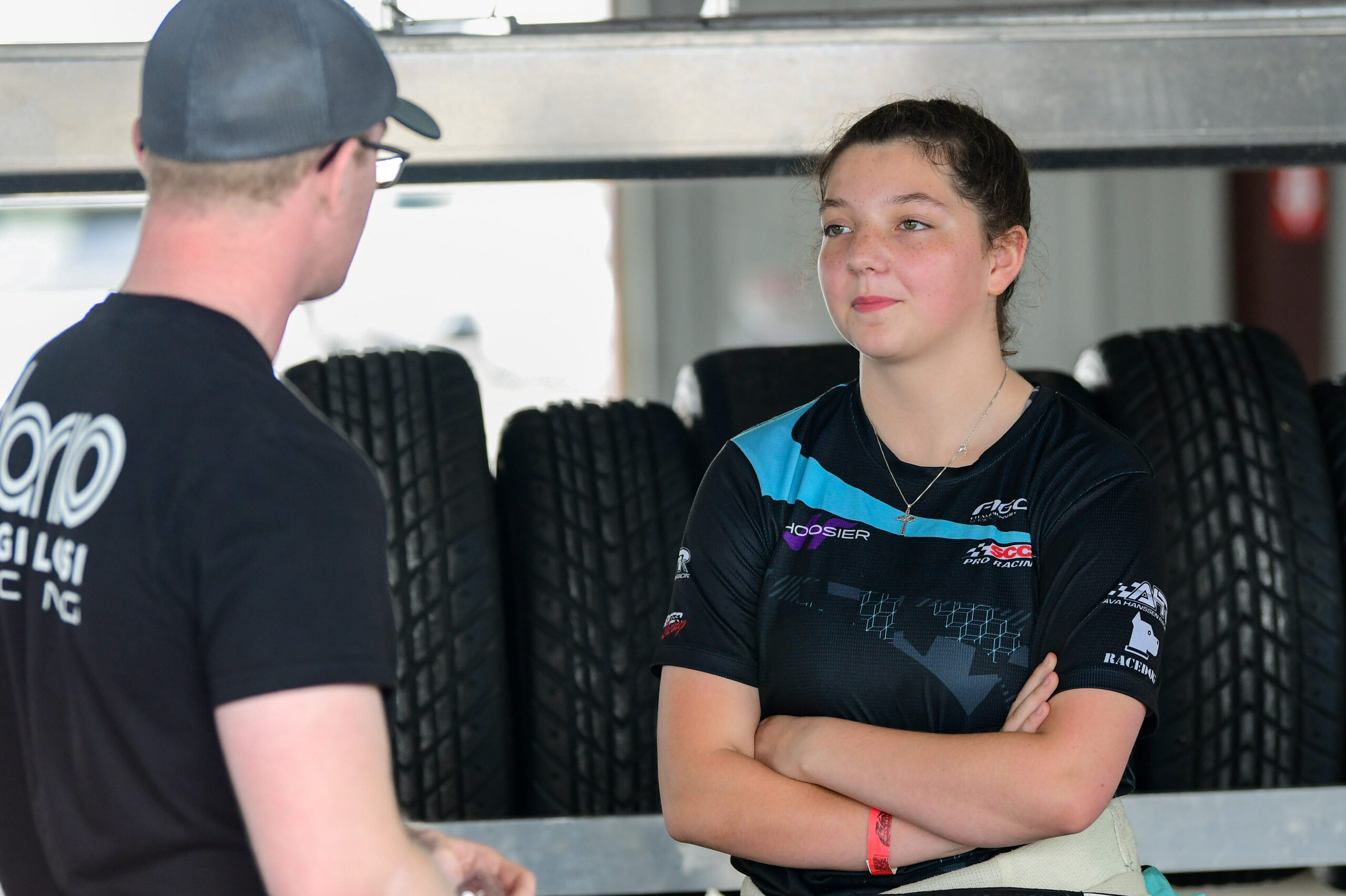
Ava Hanssen, a 15-year-old from Elkhorn in southeastern Wisconsin, competes as an open-wheel driver, racing high-speed cars with exposed wheels similar to those used in Formula One. She discovered her love for the sport at age 4 when her dad introduced her to go-karting, and she has since raced her way to her first open-wheel championship in the 2023 Circuit of the Americas F1600 event. Yet Hanssen says that without sufficient funding through sponsorships, competing at this level would be extremely difficult.
“We were originally doing this out of our trailer … So it’s hard because we don’t have big sponsors,” Hanssen says. “We don’t have big pockets like everybody else in our field, so it’s kind of hard to compete with money over talent.”
“You have to be a businesswoman.”
Hanssen points out that one barrier to females securing sponsorships is that the racing industry is primarily funded by male-dominated companies. According to NASCAR, its top official sponsorship partnerships include Busch Light, Advance Auto Parts, Goodyear and more — brands rooted in industries that traditionally market to and sponsor male drivers.
However, a promising shift is emerging as beauty and lifestyle brands are stepping in as advocates and sponsors for women in motorsports. Companies like e.l.f. Cosmetics and Charlotte Tilbury have begun collaborations and campaigns centered around female empowerment, according to Women’s Health, bridging the gap between femininity and the racing world.
Although more female-focused sponsors are beginning to surface, securing sponsorships remains highly competitive. Drivers must prove to companies that they are the full package — skilled behind the wheel, engaged with fans and valuable to brands.
“You have to be a businesswoman,” Decker says. “All the drivers that are selling themselves like that, that’s really hard and difficult to do, no matter if you’re a female or male.”
Without a sponsor to fund their rides, many female drivers turn to social media to build visibility and generate the support they need to stay on the track. Decker, with just under 190,000 Instagram followers, and Hanssen, steadily increasing her following to 1,000, both emphasize the importance of being part-time racing influencers.
“Social media is a really big tool when it comes to getting sponsorship because a lot of companies really see value in social media,” Decker says. “If they can’t understand NASCAR and the racing, they can understand social media.”
Racing against inequality
Even when female racers secure the funds to get themselves to the track, the fight doesn’t stop there. Decker’s husband, NASCAR driver Derek Lemke, says that despite paying the same fees as her teammates, Decker was given outdated, less aerodynamic cars. However, he said she still managed to outperform many of them.
Chuck Decker shared similar frustrations, noting that her pit crew was less experienced than those of her male teammates, often costing her positions during stops.
“You can see it even when you’re sitting on the pit box and the over-the-wall crews they hire for her, versus the over-the-wall crew they hire for their teammate,” Chuck Decker says. “We can come into the pits in 13th, and we go back out 17th or 18th. Her teammate comes in 14th, he goes back out 14th.”
Because outdated cars and inexperienced pit crews make podium finishes nearly impossible, Chuck Decker says the best way to stand out is by outperforming the car’s usual results. This proves to potential sponsors that you are a better driver than those who came before you.
However, Decker says she refuses to let the racing industry’s inequalities hold her back. Becoming a mother has changed her, helping her tune out outside opinions and focus on making her son her No. 1 priority.
“All the outside noise that usually would make me nervous or scared to mess up … or not taken seriously … went quiet because all I cared about was showing my son dreams can come true,” Decker says. “I’m gonna go show you that your mommy’s gonna race Daytona only six months postpartum.”
The gender gap extends from the track into design shops, where female engineers like Thompson, chassis lead for the Wisconsin Racing Club at UW–Madison, are designing the next generation of cars.
Thompson explains that joining the team as a woman can feel intimidating.
“It’s a bunch of very intense, very dedicated engineers who spend 40 plus hours a week together talking about this car, and they’re very passionate,” Thompson says. “Trying to break into that circle is really difficult unless you can match their energy.”
Thompson’s experience reflects a broader challenge for women in motorsports — she’s outnumbered but determined to prove herself as a leader.
Fueled by family
Despite facing inequality in sponsorships, equipment and representation on teams, many women remain driven to stay in racing and persevere through setbacks thanks to their families’ unconditional support.
Having a family who believes in you can be the push that keeps young women in the sport. Hanssen says her determination comes from knowing that her family is right behind her, every lap of the way.
“The person I look up to the most is my dad. He’s the most hardworking guy I know,” Hanssen says. “He’s gotten me literally everything. He’s got me where I am today.”
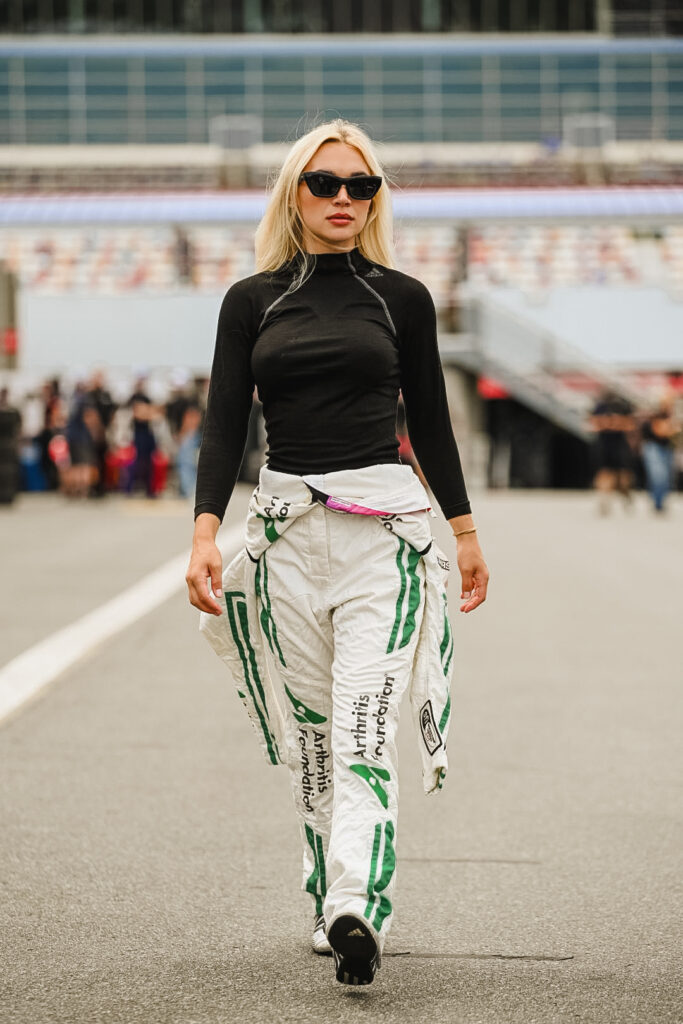
Racing has also always been a family affair for Decker. Amy Decker remembers feeling nervous when her daughter first got behind the wheel. Over time, fear gave way to excitement — and she eventually grew to love the sport.
“It’s like an addiction,” Amy Decker says.
That energy connects everyone in the racing world — from fans in the crowd to families in the stands. For Decker, Thompson and Hanssen, they may stand alone as the only female on the track or in the shop, but their racing journeys are powered by a whole community — one built on love, loyalty and adrenaline.
“If you have that team that believes in you when you start to not believe in yourself or you’re starting to lose the hope of what your end goal is or your dream … they’ll help pick you back up and be there for you,” Decker says.
Feature photo: Ava Hanssen zooms around the track at Pittsburgh
International Race Complex. Photo by Chris Green