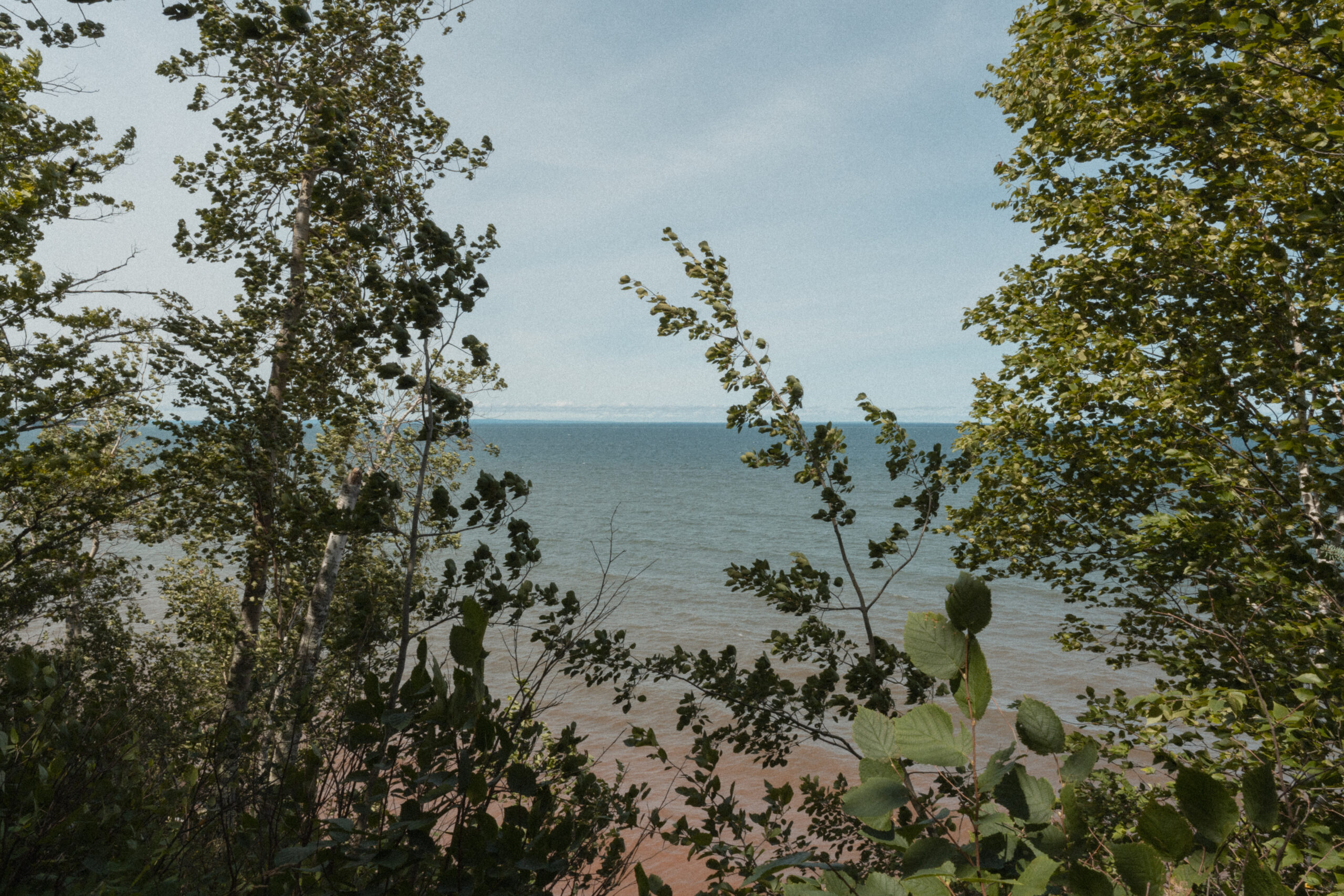
They fall with the rain, drift through rivers and settle into the quiet depths of our lakes — per- and polyfluoroalkyl substances, the “forever chemicals,” are quietly reshaping our waters. Linked to health risks — such as increased risk of some cancers and interference with the body’s hormones — and environmental harm, these stubborn compounds accumulate over time in fish, wildlife and our drinking water, according to the Environmental Protection Agency. One researcher is following their hidden journey in the northern reaches of Wisconsin, where Lake Superior stretches wide, tracing how they move, change and endure. In this Q&A, Ali Milani — an environmental chemistry and technology doctoral student in UW–Madison’s Civil and Environmental Engineering department — shares the urgency, insight and hope behind her mission to protect the waters we all depend on.
This conversation has been edited for clarity and brevity.

Q: What is your research focused on?
A: My research looks at PFAS — per- and polyfluorinated alkyl substances — and how they are transported through the environment. Specifically, my role focuses on how PFAS in rain can impact Lake Superior. I try to better understand how they transform in the environment and ultimately end up in our lakes, rivers and drinking water supply.
Q: What inspired you to enter this field and do water-related research?
A: I was really more broadly interested in how contaminants are transported throughout the environment and how we could protect human and environmental health. It drew me to this project in particular — studying PFAS.
Q: Why does this work matter?
A: Because PFAS are so persistent in the environment and hazardous. The long-term effects that come up with the accumulation of PFAS in certain waterways like Lake Superior, for example, will have decades of impact and ramifications.
Q: For those wanting to learn more about PFAS and water-related research, do you have any tips on how they can learn and grow?
A: That’s a good question.
The Wisconsin Department of Natural Resources and US EPA provide great resources for those wanting to learn more on their PFAS websites.
I think also just kind of diving into other environmental research spaces or magazines centered around fishing or outdoor activities.
You’re going to see that a lot of things that we’re worried about, people using surface waters for recreational activities like fishing or swimming are also worried about because of these contamination hazards.
Q: What are your hopes for what the future holds with your work and research?
A: I’m hoping my research in particular can help understand seasonal cycles and atmospheric transformations that are taking place with PFAS in their route to where they end up in the environment. Hopefully we can better understand how PFAS are transported through the environment and how we can mitigate contamination to our essential ecosystems.
Sources: Environmental Protection Agency and National Institute of Environmental Health.
Feature photo by Jonás Tijerino